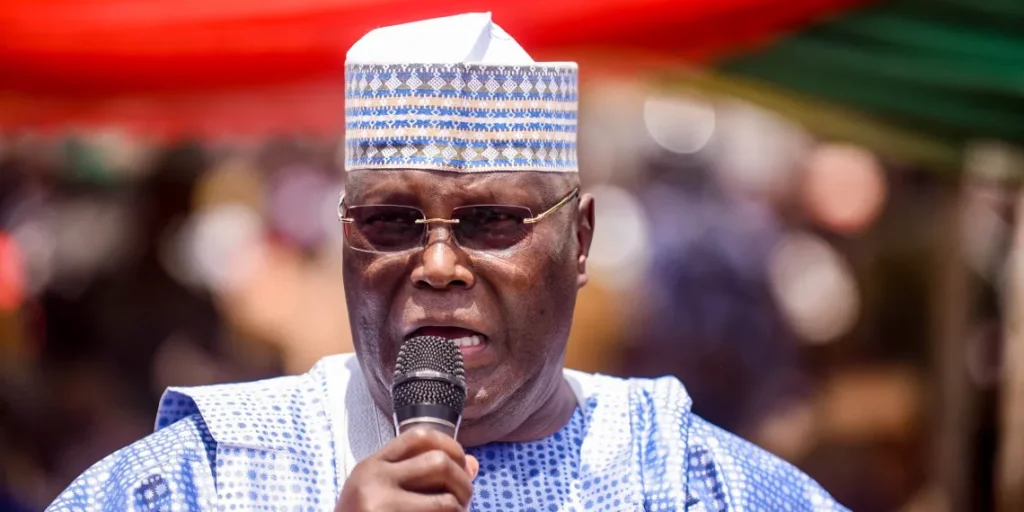
Former Vice President Atiku Abubakar has attributed the growing wave of political defections across the country to worsening economic hardship, referencing the position of Adamawa State Governor Ahmadu Umaru Fintiri in his remarks.
Atiku stated that the difficult economic climate has placed immense pressure on ordinary citizens and political actors alike, leading many to reconsider their affiliations in pursuit of stability and survival. According to him, rising living costs, unemployment, and reduced purchasing power have created an environment where political decisions are increasingly influenced by economic realities.
He suggested that defections are not always driven by ideology but often by pragmatic considerations tied to access to opportunities, security, and political relevance. Citing Governor Fintiri, Atiku argued that the trend reflects broader systemic challenges affecting governance and public confidence.
The former vice president emphasized that economic reforms and inclusive policies are essential to restoring faith in the political system. He maintained that when citizens experience sustained hardship, political realignments become more frequent as individuals and groups seek platforms they believe may offer better prospects.
Observers note that political defections have historically intensified during periods of economic strain, particularly ahead of election cycles. Analysts also point out that shifting alliances can significantly reshape party structures and electoral strategies.
While supporters of Atiku agree that economic conditions influence political behavior, critics argue that defections are a longstanding feature of the political landscape and cannot be attributed solely to financial pressures.
As political activities gradually gather momentum nationwide, conversations around economic performance, governance, and party loyalty are expected to remain central themes in public discourse.