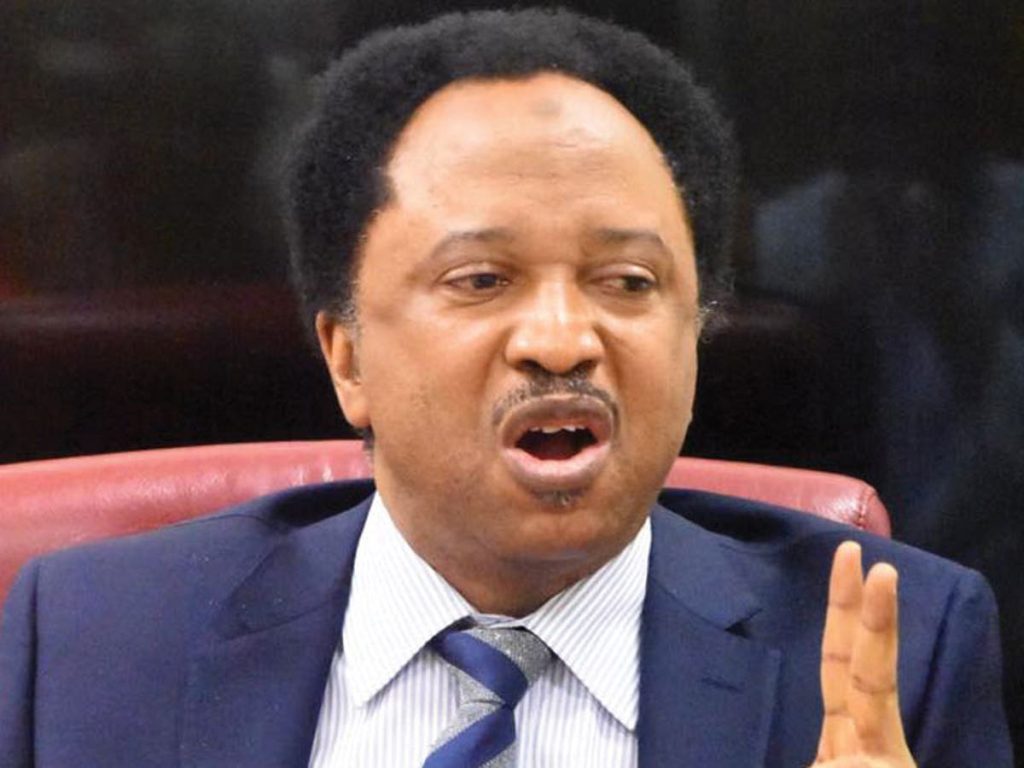
Former Nigerian senator, Shehu Sani, has strongly criticized the decision by the Confederation of African Football (CAF) to award the Africa Cup of Nations 2025 title to Morocco, describing the move as “daylight robbery.”
Reacting to the development, Shehu Sani expressed outrage over what he perceived as an unjust and controversial reversal of the tournament’s outcome. He argued that stripping Senegal of the title after they had already been crowned champions undermines the integrity of the competition and raises serious questions about fairness and governance in African football.
According to him, decisions of such magnitude should be handled with maximum transparency and clarity, especially given the emotional investment of players, fans, and participating nations. He noted that altering the outcome of a major continental tournament after its conclusion sets a troubling precedent and could erode trust in CAF’s ability to manage competitions impartially.
Sani further stated that the decision risks damaging the credibility of the tournament, warning that fans across the continent may begin to question the legitimacy of future competitions if such actions are not properly justified. He called on CAF to publicly disclose the full details behind its investigation and the specific infractions that led to the ruling.
The controversy stems from CAF’s announcement that Morocco would be recognized as the new champions of AFCON 2025 following a review process, with Senegal being stripped of the title due to alleged regulatory breaches. While CAF has maintained that its decision was based on established rules and disciplinary findings, critics like Sani insist that the lack of detailed explanation has fueled suspicion and dissatisfaction.
The situation has generated widespread debate among football stakeholders, analysts, and supporters across Africa, with opinions divided over whether CAF acted appropriately or overstepped its authority.
As reactions continue to pour in, the incident has further intensified scrutiny on the governance of African football, with many calling for reforms to ensure greater accountability and transparency in the administration of major tournaments.