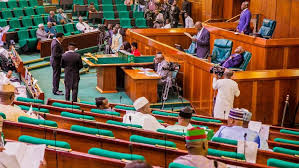
A fresh wave of political debate has emerged ahead of the 2027 general elections following a controversial move by members of the House of Representatives to introduce measures aimed at restricting the activities of certain political actors before party primaries.
The proposed action, which some lawmakers describe as a step toward sanitizing the electoral process, is designed to place tighter controls on how politicians engage in pre-primary activities. Supporters argue that the move will curb excessive influence, reduce political manipulation, and ensure a more transparent and merit-driven candidate selection process within political parties.
According to insiders within the National Assembly, the initiative seeks to address long-standing concerns about undue interference, vote-buying, and the dominance of powerful political figures who often shape outcomes long before official primaries are conducted. Proponents insist that without such intervention, internal party democracy could remain compromised.
However, the development has sharply divided opinion across the political landscape. Critics have described the move as an attempt to “cage” politicians and limit their constitutional rights to association, expression, and participation in the political process. Some stakeholders argue that the proposed restrictions could be weaponized to sideline opponents and consolidate power among a select group of individuals.
Political analysts note that the timing of the move—just ahead of the build-up to party primaries—has further intensified suspicion. Many believe it could significantly alter the dynamics within major political parties, potentially reshaping alliances, weakening established power blocs, and creating opportunities for emerging contenders.
Within party circles, reactions have been mixed. While some party leaders have welcomed the effort as a necessary reform to restore credibility to the nomination process, others fear it may trigger internal crises, legal battles, and defections if perceived as unfair or selectively enforced.
Civil society groups have also weighed in, calling for clarity on the scope and implementation of the proposed measures. They emphasize the need to strike a balance between regulating political excesses and preserving democratic freedoms.
As discussions continue, attention is now focused on how the proposal will be formalized, whether it will pass through legislative processes, and how political parties will adapt to any new rules. With the 2027 elections gradually approaching, the situation underscores the growing tension between electoral reform efforts and the realities of political competition in the country.