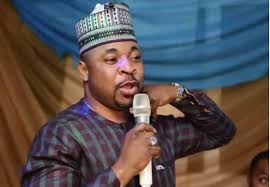
Tension erupted within the National Union of Road Transport Workers (NURTW) following a dramatic takeover of its national secretariat by a faction loyal to Alhaji Tajudeen Baruwa, who has laid claim to the leadership of the union. The group reportedly stormed the union’s headquarters, asserting control over the premises and announcing the removal of Musiliu Akinsanya, popularly known as MC Oluomo, from his position.
Eyewitness accounts indicate that members of the Baruwa faction arrived at the secretariat in large numbers, occupying key offices and restricting access to individuals believed to be aligned with the opposing leadership. The development created confusion among staff and union members, with activities at the secretariat temporarily disrupted.
Following the takeover, representatives of the faction declared that the action was necessary to restore what they described as constitutional order within the union. They accused the ousted leadership of operating outside established guidelines and insisted that the change in control reflected the will of a significant portion of the union’s membership.
In their announcement, the faction confirmed that MC Oluomo had been relieved of his duties, stating that a new leadership structure would be put in place to reposition the union and address internal grievances. They also called on members across the country to recognize the authority of the new leadership and cooperate in ensuring stability.
Supporters of MC Oluomo, however, have rejected the move, describing it as illegitimate and a violation of due process. They argue that any leadership change must follow established procedures and warned that the situation could escalate if not properly managed. Some loyalists have reportedly begun mobilizing in response, raising concerns about possible clashes between rival groups.
Security operatives were said to have been deployed around the secretariat to prevent a breakdown of law and order, as tensions remained high. Authorities have urged all parties to exercise restraint and resolve their differences through dialogue and legal channels rather than confrontation.
The crisis has once again exposed deep divisions within the union, which has in recent times experienced leadership disputes and factional struggles. Analysts note that such conflicts could have wider implications for transport operations, particularly in major cities where the union plays a critical role in regulating activities within the sector.
Members of the public and stakeholders in the transport industry have expressed concern over the situation, calling for a peaceful resolution that will ensure continuity and stability in road transport services. There are also appeals for government intervention to mediate between the conflicting factions and prevent further escalation.
As developments continue to unfold, attention remains focused on whether both sides will seek legal redress or engage in negotiations to settle the leadership dispute and restore unity within the union.