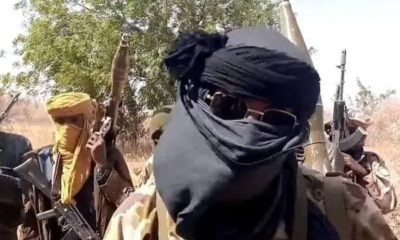
A wave of concern and frustration has spread across Nigeria following the release of a recent global terrorism ranking that places the country among those most affected by terrorist activities. The report, which evaluates nations based on the frequency, impact, and severity of terror-related incidents, has reignited public debate about national security and the government’s response to persistent threats.
Despite the growing reactions from citizens, civil society groups, and security analysts, the Presidency has yet to issue an official statement addressing the development. This silence has fueled criticism from various quarters, with many Nigerians expressing disappointment over what they perceive as a lack of urgency and transparency on a matter of national importance.
The ranking has drawn attention to ongoing security challenges in different parts of the country, particularly in regions that have experienced repeated attacks linked to insurgency, banditry, and other forms of violent extremism. Communities in affected areas continue to grapple with displacement, loss of livelihoods, and limited access to basic services, further deepening humanitarian concerns.
Public reaction has been swift, especially on social platforms, where citizens have questioned the effectiveness of current security strategies. Many have called for a comprehensive review of the nation’s counterterrorism framework, urging the government to adopt more proactive and intelligence-driven approaches. Others have stressed the need for increased investment in security infrastructure, better welfare for security personnel, and stronger collaboration with local communities.
Security experts have also weighed in, noting that while progress has been made in certain operations, underlying issues such as weak coordination among agencies, insufficient intelligence gathering, and socio-economic factors continue to hinder long-term success. They argue that addressing terrorism requires not only military action but also sustained efforts in governance, education, and economic inclusion.
Opposition figures and policy commentators have criticized the lack of immediate response from the Presidency, stating that silence in the face of such a significant report could undermine public confidence. They have called on the government to provide clarity on its position and outline concrete steps being taken to improve the country’s security standing.
Meanwhile, some government supporters have urged patience, suggesting that internal reviews and strategic assessments may be ongoing behind the scenes. They argue that official responses should be measured and based on verified data rather than public pressure.
As the debate continues, many Nigerians are looking to the federal government for reassurance and decisive action. The expectation is that authorities will not only respond to the ranking but also present a clear roadmap for tackling insecurity and restoring confidence in the nation’s safety and stability.
The situation underscores the urgency of addressing security challenges in a manner that is both transparent and effective, as the country seeks to improve its global standing and ensure the protection of its citizens.