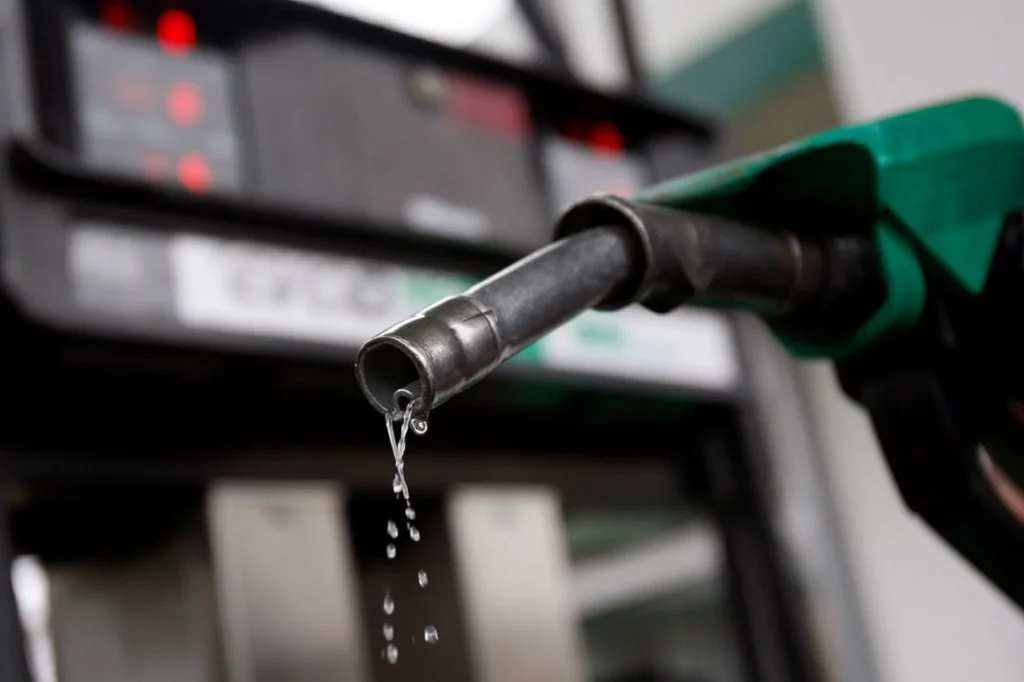
The recent increase in fuel prices has intensified economic pressure across Nigeria, triggering widespread concern among citizens and sparking a sharp divide in opinion among experts and civil society organizations over the role of subsidy policies.
The adjustment in fuel costs has led to an immediate rise in transportation fares, food prices, and the overall cost of living. For many households already grappling with limited income, the development has further strained their ability to meet basic needs. Commuters in major cities have reported spending significantly more on daily travel, while small business owners say their operating expenses have surged, forcing some to scale down or pass costs on to customers.
Economic analysts remain split on the issue. Some argue that the removal or reduction of fuel subsidies is a necessary step toward long-term fiscal stability. According to this group, subsidies have historically placed a heavy burden on government finances, diverting resources away from critical sectors such as healthcare, education, and infrastructure. They maintain that allowing market forces to determine fuel prices could encourage investment in the energy sector and reduce inefficiencies.
On the other hand, several experts and advocacy groups contend that the timing and implementation of subsidy removal have been poorly managed. They argue that without adequate social safety nets, the policy disproportionately affects low- and middle-income Nigerians. These critics emphasize that millions of citizens depend on affordable fuel either directly or indirectly, and sudden price increases deepen poverty and widen inequality.
Civil society organizations have also voiced strong concerns, calling for immediate government intervention to cushion the impact. Proposed measures include targeted cash transfers, transport subsidies, and stricter regulation of fuel pricing mechanisms. Some groups have urged authorities to increase transparency in the petroleum sector, insisting that citizens deserve clarity on how fuel prices are determined.
Meanwhile, labor unions and community leaders have warned that continued hardship could lead to social unrest if urgent steps are not taken. They have called for dialogue between the government, industry stakeholders, and representatives of the public to find a balanced and sustainable solution.
In response, government officials have reiterated their commitment to economic reforms, acknowledging the difficulties faced by citizens while promising that ongoing policies will yield long-term benefits. Authorities have also hinted at plans to introduce palliative measures aimed at easing the burden on vulnerable populations.
As the situation unfolds, many Nigerians remain concerned about their immediate survival, with growing calls for practical and timely relief. The debate over fuel subsidy and pricing is expected to continue, reflecting broader questions about economic policy, governance, and the path toward sustainable development.