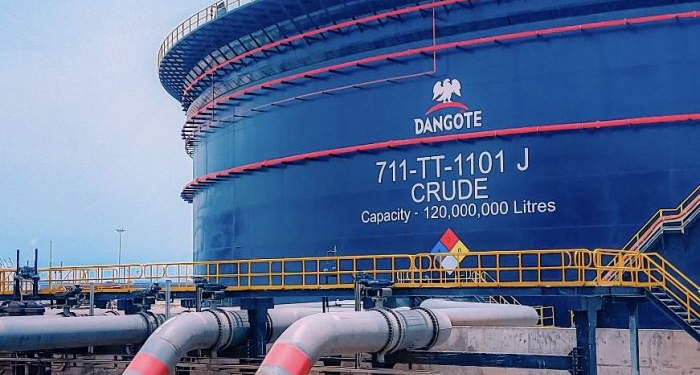
Dangote Refinery has announced a reduction in the price of petrol, bringing the cost down to N1,200 per litre, a move that is expected to have significant implications for Nigeria’s energy market and the broader economy.
The price adjustment comes amid ongoing efforts to stabilize fuel supply and address persistent fluctuations in the downstream petroleum sector. The refinery’s decision reflects a response to market dynamics, including changes in crude oil pricing, operational efficiencies, and distribution considerations.
Industry observers believe the reduction could ease the financial burden on consumers who have faced rising fuel costs in recent months. Transportation expenses, which are closely tied to petrol prices, may also see a marginal decline, potentially impacting the cost of goods and services across various sectors.
The refinery, which has been ramping up production capacity, is positioning itself as a major supplier in the domestic market. By adjusting its pricing strategy, it aims to remain competitive while ensuring steady product availability nationwide. The move is also seen as part of a broader strategy to reduce reliance on imported refined petroleum products.
Market reactions have been mixed, with some stakeholders welcoming the development as a positive step toward price stability, while others remain cautious about its sustainability given the volatility of global oil markets and exchange rate pressures.
Distributors and marketers are expected to adjust their pump prices in response to the new rate, although the extent and speed of these changes may vary depending on existing stock levels and logistical factors.
Economic analysts note that while the price cut offers short-term relief, long-term stability in fuel pricing will depend on consistent supply, efficient distribution networks, and supportive regulatory policies.
The development marks another milestone in the evolving role of domestic refining in Nigeria, as local production continues to shape pricing trends and influence the structure of the petroleum industry.