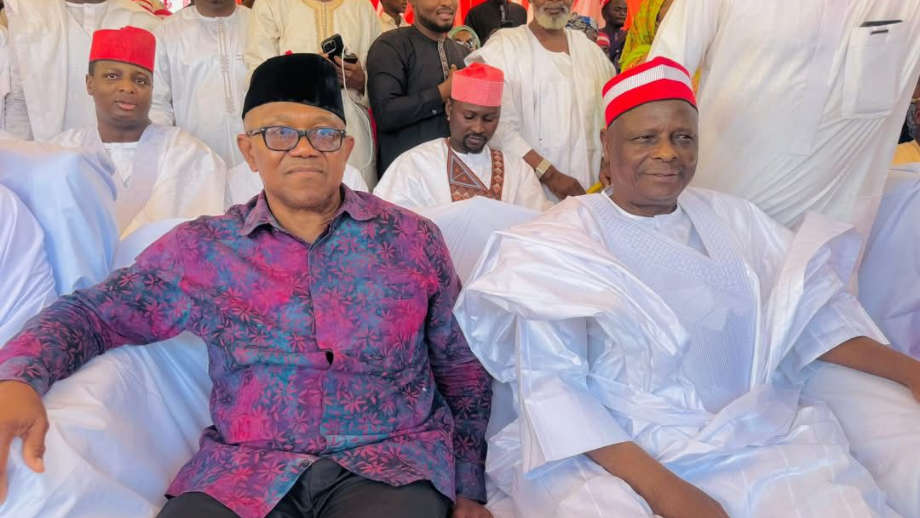
Fresh political realignments appear to be taking shape ahead of the 2027 general elections, as recent discussions between Peter Obi and Rabiu Kwankwaso have stirred conversations about a possible coalition aimed at challenging the administration of Bola Tinubu.
Sources familiar with the development indicate that the engagement between both political figures is part of a broader consultation process focused on building a formidable opposition front. While details of the talks remain closely guarded, insiders suggest that the discussions revolve around unifying key political blocs, harmonizing policy positions, and exploring the feasibility of a joint electoral strategy.
Both Obi and Kwankwaso were prominent contenders in the 2023 presidential election, commanding significant grassroots support across different regions of the country. Their individual performances demonstrated the growing appetite among Nigerians for alternative political leadership, particularly among young voters and urban populations. However, analysts have consistently noted that a fragmented opposition landscape reduces the chances of mounting a successful challenge against an incumbent.
The renewed dialogue is therefore being interpreted as a strategic effort to bridge that gap. Political observers believe that any potential alliance would need to address critical issues such as power-sharing arrangements, party structures, and regional balancing—factors that have historically influenced coalition success in Nigeria.
Supporters of the proposed collaboration argue that combining the political machinery and voter bases of both leaders could create a more competitive contest in 2027. They point to the numerical strength and geographical spread of their supporters as a potential advantage if properly coordinated.
However, skepticism remains in some quarters. Critics highlight past difficulties in sustaining political alliances, citing ideological differences, leadership ambitions, and party loyalties as possible obstacles. Questions also linger over how such a coalition would integrate other opposition figures and whether it could maintain cohesion throughout the election cycle.
Meanwhile, the camp of President Tinubu continues to project confidence, emphasizing ongoing governance efforts and policy reforms as the foundation for seeking renewed mandate. Allies of the president maintain that performance in office, rather than opposition alignments, will ultimately determine voter decisions.
As consultations continue, the political landscape is expected to witness increased maneuvering among parties and key stakeholders. With more than a year before formal campaign activities begin, the evolving discussions between Obi and Kwankwaso may signal the early stages of a broader realignment that could significantly shape the trajectory of the 2027 elections.