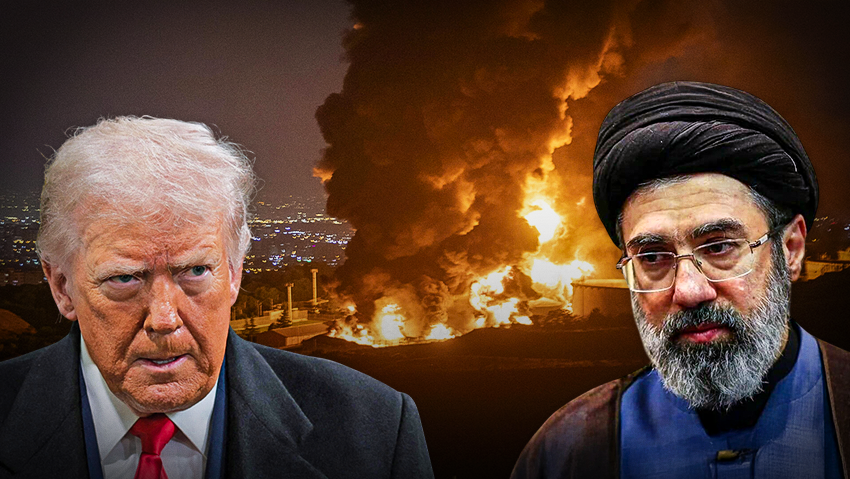
U.S. President Donald Trump has announced the suspension of planned military strikes against Iran, citing significant progress in ongoing diplomatic efforts aimed at reducing tensions and reaching a broader agreement between the two countries.
The decision came after high-level negotiations involving multiple regional and international stakeholders. According to statements from the U.S. administration, discussions with Iranian representatives and mediators produced what officials described as meaningful advances toward a potential framework for de-escalation.
Trump said the planned military operation, which had reportedly been scheduled to take place within days, was called off to allow diplomacy additional time to succeed. He expressed optimism that negotiations could produce a more lasting solution to the dispute and prevent further instability in the Middle East.
The development follows weeks of heightened tensions between Washington and Tehran, including military threats, economic pressure, and concerns over regional security. Analysts had warned that any direct military confrontation could have serious consequences for global energy markets and international stability.
Despite the announcement, significant challenges remain. Iranian officials have indicated that discussions are continuing but have cautioned that no final agreement has yet been concluded. Key issues under negotiation reportedly include security arrangements, maritime access, sanctions-related matters, and broader regional concerns.
The suspension of military action has been welcomed by many observers who view diplomacy as the preferred path toward resolving disputes. Foreign policy experts note that while the latest breakthrough is encouraging, negotiations will require continued engagement and compromise from all parties involved.
Financial markets reacted positively to the announcement, with oil prices declining as concerns over a potential disruption of energy supplies eased. Investors interpreted the decision as a sign that immediate military escalation may be less likely, although uncertainty remains until a formal agreement is reached.
Regional governments are expected to closely monitor the next phase of discussions as diplomatic teams work to convert preliminary understandings into a formal arrangement. Officials involved in the process have expressed hope that continued dialogue will help prevent further conflict and create conditions for a more stable security environment.
While the suspension of the planned strikes represents a significant shift from recent military rhetoric, observers emphasize that the situation remains fluid. The success of the diplomatic initiative will depend on whether negotiators can bridge remaining differences and secure a mutually acceptable agreement in the coming days.