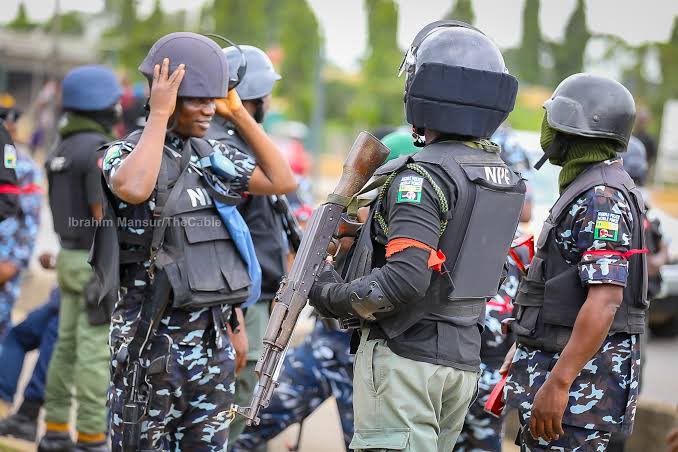
Nigerian governors have renewed their call for expanded security powers at the state level, arguing that the current security structure requires reforms to effectively address the growing challenges of insecurity across the country.
The governors maintained that granting states greater authority over security operations would enable faster responses to threats such as banditry, kidnapping, armed robbery, communal clashes, and other criminal activities. According to them, local authorities are often better positioned to understand the unique security concerns within their jurisdictions and can therefore provide more effective solutions.
The demand forms part of the ongoing national conversation surrounding the establishment of state police and broader decentralization of security management. Supporters of the proposal believe that empowering states with greater control over security resources would improve intelligence gathering, strengthen community policing, and enhance coordination between security agencies and local communities.
Several state leaders have argued that the centralized nature of policing has created operational limitations, particularly in areas facing persistent security challenges. They contend that allowing states to play a larger role in security administration could help bridge existing gaps and improve public safety.
However, the proposal has continued to generate mixed reactions among stakeholders. While many support the idea as a practical solution to Nigeria’s security concerns, others have expressed fears that state-controlled police structures could be vulnerable to political interference or misuse by state governments.
Despite these concerns, proponents insist that adequate legal safeguards, oversight mechanisms, and accountability measures can be put in place to prevent abuse while ensuring professionalism within any state policing framework.
Security experts have also emphasized the need for comprehensive reforms, including improved funding, personnel training, technological support, and stronger collaboration among federal, state, and local authorities. They argue that structural changes alone may not be sufficient without addressing the broader issues affecting security operations.
As discussions continue among policymakers and other stakeholders, the push for greater state involvement in security management remains one of the key issues shaping debates on constitutional reform and national security strategy. The outcome of these deliberations is expected to play a significant role in determining the future direction of policing and internal security administration in Nigeria.