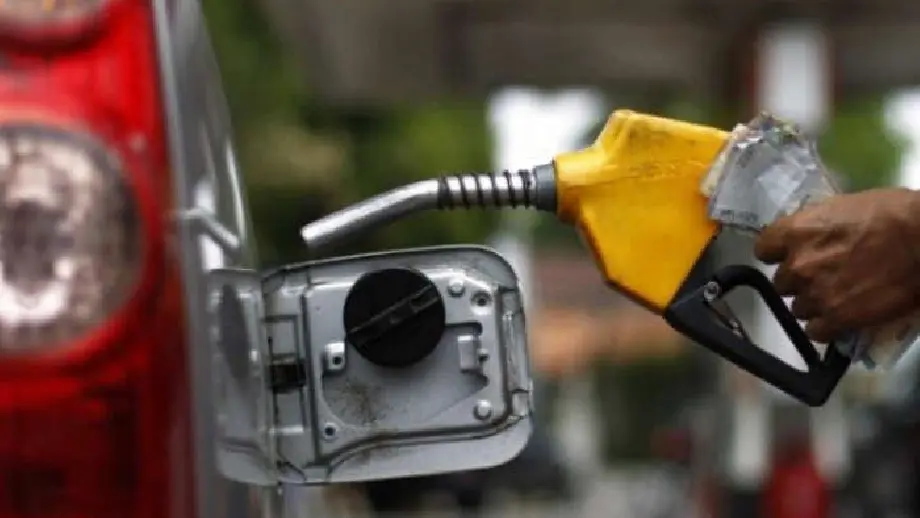
The Nigerian National Petroleum Company Limited (NNPCL) has reduced the pump price of Premium Motor Spirit (PMS), commonly known as petrol, at some of its retail outlets across the country.
The latest adjustment has brought some relief to motorists and other consumers following a fresh downward movement in petrol prices within Nigeria’s downstream petroleum market.
In Lagos, NNPCL retail stations are now selling petrol at about N1,205 per litre, representing a N60 reduction from the previous price of N1,265 per litre.
In Abuja, the price has also been reduced, although by a smaller margin. Petrol is now being sold at approximately N1,280 per litre, compared with the previous price of N1,295 per litre.
The latest reduction comes amid increasing competition among domestic fuel suppliers and refiners, with lower supply and depot prices creating room for some marketers to review their pump prices.
The downward movement has also been reflected among other major filling stations. In Abuja, for instance, some outlets have reduced their prices, with one major marketer cutting its pump price from N1,260 to about N1,210 per litre.
The reduction in NNPCL’s retail prices is significant because the company operates a large network of filling stations across Nigeria. Any adjustment by the national oil company can therefore influence pricing decisions by other petroleum marketers.
Why Petrol Prices Are Falling
The latest reduction is largely connected to changes in the domestic petroleum supply market.
Nigeria’s downstream sector has experienced increased competition as locally refined petroleum products become more available. Refiners and petroleum suppliers have been adjusting their selling prices in response to market conditions, supply levels and competition.
Lower depot prices have also provided marketers with an opportunity to purchase petrol at reduced rates. When the cost of acquiring the product falls, retailers have greater room to reduce their pump prices while maintaining their margins.
Several petroleum depots in Lagos have also adjusted their prices downward, with reductions of tens of naira per litre recorded at different facilities.
The trend could encourage more filling stations to reduce their prices if the lower wholesale rates are sustained.
Relief for Motorists
The latest price cut is expected to provide some relief for motorists, commercial transport operators and businesses that depend heavily on petrol.
Fuel prices have a significant impact on transportation costs in Nigeria. A reduction in the pump price can potentially reduce the daily operating expenses of transporters and businesses that rely on petrol-powered vehicles and generators.
However, the extent to which consumers feel the benefit will depend on how widely the new prices are adopted by filling stations across different locations.
Petrol prices can vary from one state, city or filling station to another because of differences in transportation costs, supply arrangements, operating expenses and local market conditions.
Competition Could Drive Further Reductions
The latest development also highlights the growing influence of competition within Nigeria’s downstream petroleum industry.
As more domestically refined products become available, petroleum marketers have greater opportunities to source products from different suppliers. This could make it increasingly difficult for retailers to maintain significantly higher prices when competitors are offering petrol at lower rates.
If wholesale prices continue to decline, consumers could see additional pump-price adjustments in the coming days.
However, a sustained reduction will depend on several factors, including crude oil prices, foreign exchange conditions, refinery production costs, logistics, depot prices and overall supply-demand conditions.
Impact on the Nigerian Economy
A sustained decline in petrol prices could have wider implications for the Nigerian economy.
Transportation is one of the major channels through which fuel prices affect household expenses and business costs. Lower petrol prices could reduce transportation expenses and potentially ease some pressure on the prices of goods and services.
Small businesses that depend on petrol-powered generators could also benefit from lower operating costs, particularly in areas where electricity supply remains unreliable.
For households, the impact could be felt through transportation fares and the cost of moving food and other commodities from producers and wholesalers to consumers.
Nevertheless, economists and industry observers would likely watch the development closely to determine whether the current reduction represents a temporary market adjustment or the beginning of a more sustained downward trend.
What Nigerians Should Expect
Motorists are expected to continue monitoring pump prices as different petroleum marketers review their rates.
The latest NNPCL adjustment could put additional competitive pressure on other filling stations, particularly those still selling petrol substantially above the prevailing market price.
For consumers, the key issue will be whether the reductions are sustained and whether they translate into lower transportation costs and reduced prices for goods and services.
For now, the latest development represents another significant movement in Nigeria’s rapidly changing downstream petroleum market, with motorists welcoming the prospect of cheaper petrol after a prolonged period of elevated fuel prices.