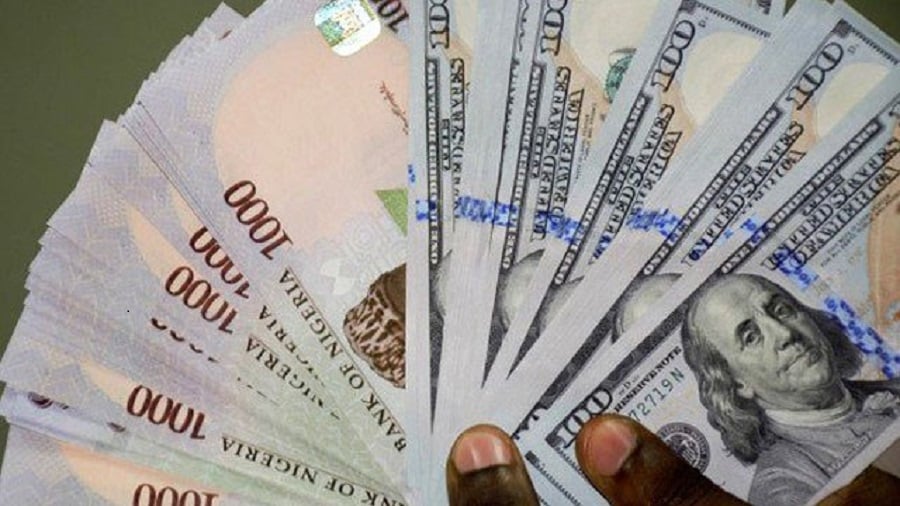
BREAKING: Naira Extends Losing Streak Against Dollar, Records Third Consecutive Decline
The Nigerian naira recorded a third consecutive decline against the United States dollar on September 17, 2026, extending its recent downward movement in the foreign exchange market.
The latest movement places renewed attention on developments in Nigeria’s currency market, particularly the balance between dollar demand and supply and the measures being implemented to maintain stability.
Available exchange-rate data put the September 17 reference rate at about ₦1,331.80 to $1.
Naira Under Pressure
The three-session decline indicates a period of renewed pressure on the naira after previous movements in the opposite direction.
Exchange-rate movements can be influenced by several factors, including demand for foreign currency by businesses and individuals, import-related payments, international investment flows, oil-market developments and the availability of dollars within the domestic foreign-exchange market.
Nigeria’s foreign-exchange market has undergone significant changes in recent years as authorities have sought to improve price discovery and reduce distortions between different exchange-rate segments.
Dollar Demand Remains Important
Demand for the U.S. dollar remains an important factor in determining the naira’s performance.
Businesses that require dollars to settle international transactions, import goods and services, make external payments or meet other foreign-currency obligations can increase demand for dollars. When demand rises faster than available supply, pressure can build on the naira.
At the same time, improved dollar liquidity can help moderate exchange-rate movements.
Recent market assessments have indicated that the naira remained relatively stable compared with some other African currencies around the same period, supported by central-bank intervention and relatively lower import demand.
Global Dollar Movement
Developments in international financial markets can also affect emerging-market currencies.
The U.S. Federal Reserve’s monetary-policy decisions, movements in U.S. Treasury yields, oil prices and geopolitical developments can influence the strength of the dollar globally and the flow of capital into or out of emerging markets.
On September 17, the dollar’s global performance was affected by shifting expectations following recent Federal Reserve policy developments, while movements in energy prices also remained an important factor for international markets.
Impact on Nigerians
A weaker naira can have different effects across the Nigerian economy.
For importers, depreciation can increase the naira cost of goods and services purchased in foreign currencies. Businesses that rely heavily on imported raw materials, equipment or other inputs may consequently face higher operating costs.
Consumers can also feel the effect when higher import costs are transferred through supply chains into retail prices.
On the other hand, exporters and businesses earning foreign-currency revenue may receive more naira when converting their dollar earnings, depending on their individual circumstances.
What the Latest Movement Means
The latest three-session decline does not, by itself, establish a long-term direction for the naira. Foreign-exchange rates can change from one trading session to another depending on market liquidity, dollar demand, intervention and broader economic conditions.
The key indicators to watch in the coming sessions include official-market exchange rates, dollar liquidity, foreign-exchange reserves, crude-oil prices, import demand and monetary-policy actions.
As of September 17, 2026, the naira’s latest movement therefore represents a continuation of short-term weakness against the dollar, while the broader direction of the currency will depend on developments in Nigeria’s foreign-exchange market and the wider global economy.