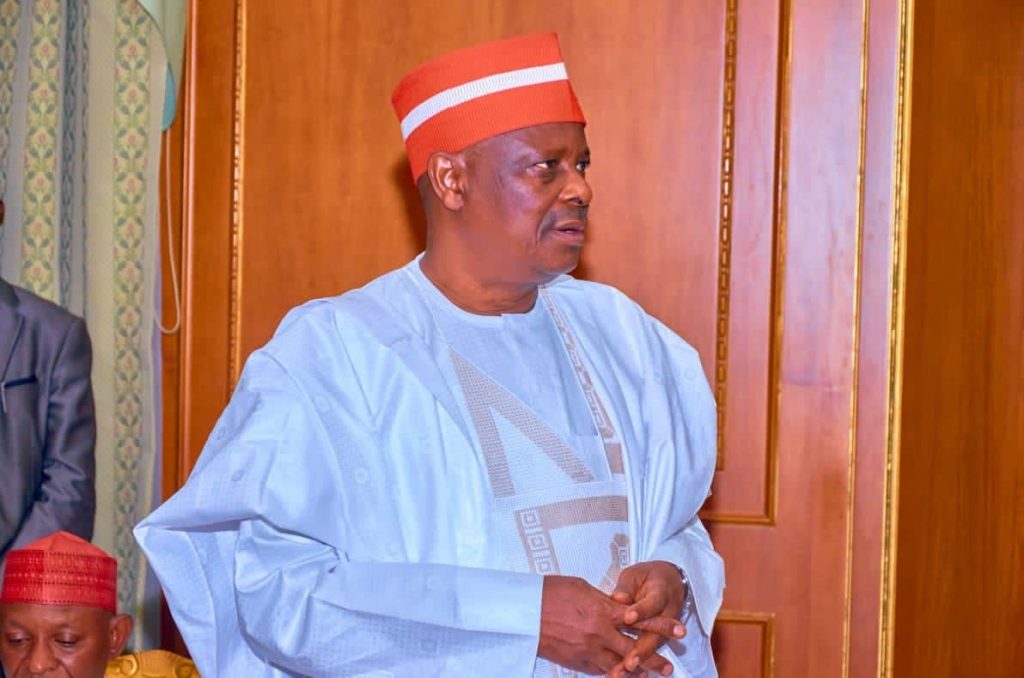
2027 Politics: Kwankwaso Fires Back at Atiku’s ADC, Tells Them to Leave Obi Alone and Face Shettima
Political tensions ahead of Nigeria’s 2027 general elections have intensified following a reported exchange involving former Kano State Governor Rabiu Musa Kwankwaso, former Vice President Atiku Abubakar’s political camp, and former presidential candidate Peter Obi.
The controversy centres on political alignments, emerging opposition strategies, and the growing debate over who should challenge President Bola Ahmed Tinubu and Vice President Kashim Shettima in the next presidential election.
Kwankwaso’s reported remarks, urging Atiku’s political associates to leave Obi alone and focus their attention on Shettima, have added another dimension to discussions about the opposition’s prospects ahead of the 2027 polls.
Opposition Politics and the 2027 Presidential Race
Nigeria’s political landscape is gradually becoming a focus of attention as political leaders, parties, and supporters consider possible alliances ahead of the next general elections.
The African Democratic Congress (ADC) has featured prominently in discussions about opposition cooperation and the possibility of bringing influential political figures together under a common platform.
Atiku Abubakar, Peter Obi, and Rabiu Musa Kwankwaso are among the prominent opposition figures whose political decisions could influence the direction of the opposition movement.
However, differences over leadership, political strategy, candidate selection, and the best approach to challenging the ruling All Progressives Congress (APC) could complicate efforts to establish a united opposition front.
The reported exchange highlights the sensitivity surrounding political commentary about potential candidates and the strategies their supporters believe should guide the opposition.
Peter Obi’s Position in Opposition Politics
Peter Obi, the former governor of Anambra State and Labour Party’s presidential candidate in the 2023 general election, remains an influential figure in Nigeria’s opposition politics.
His supporters have consistently advocated for his participation in the 2027 presidential contest, pointing to his appeal among voters seeking changes in governance, economic management, and public accountability.
Obi’s political future has also generated discussions about whether opposition leaders should pursue individual presidential ambitions or work towards a broader coalition capable of challenging the incumbent government.
The reported call to leave Obi alone reflects the wider sensitivities surrounding political attacks, criticism, and speculation about his possible role in the next election.
Nevertheless, the exact circumstances surrounding Kwankwaso’s reported remarks, including their original context and the specific comments to which he was responding, require confirmation.
Atiku’s ADC Political Camp Under Scrutiny
Atiku Abubakar remains a significant figure in Nigeria’s opposition politics following his participation in the 2023 presidential election.
Discussions about his political future and possible involvement in opposition coalition arrangements have continued to attract attention as parties and political leaders consider their options for 2027.
The African Democratic Congress has been part of conversations about possible opposition cooperation, although the precise positions of individual political figures and their respective camps should not be assumed without verified statements.
The reported criticism directed at Atiku’s political associates raises questions about how opposition figures intend to manage disagreements while pursuing a common electoral objective.
Political observers will be watching to see whether such exchanges lead to further disagreements or encourage the parties involved to clarify their positions on candidate selection and coalition-building.
Why Kashim Shettima Features in the Debate
Vice President Kashim Shettima occupies a prominent position in the current administration alongside President Bola Ahmed Tinubu.
His role in the administration makes him a relevant figure in political discussions concerning the APC’s leadership, the government’s performance, and possible strategies for the 2027 election.
The reported reference to Shettima in Kwankwaso’s remarks suggests a broader argument about where political criticism should be directed as the next presidential contest approaches.
However, without a verified transcript or recording of the original statement, it would be premature to conclude precisely what Kwankwaso intended or to attribute additional political positions to him.
Can the Opposition Unite Ahead of 2027?
One of the major questions facing Nigeria’s opposition is whether influential political leaders can establish a workable arrangement that balances their individual ambitions with the broader objective of electoral competitiveness.
A successful opposition coalition would likely require agreement on several important issues, including the presidential candidate, the process for selecting that candidate, the distribution of political responsibilities, and a common policy agenda.
Public disagreements among prominent opposition figures could make such negotiations more difficult if they deepen existing divisions.
On the other hand, open debate about strategy and leadership could also encourage political parties to clarify their priorities and develop stronger positions before the election.
Ultimately, the strength of any opposition alliance will depend on the willingness of its leaders to negotiate, build trust, and present voters with a credible alternative.
Conclusion
The reported exchange involving Rabiu Musa Kwankwaso, Atiku Abubakar’s political camp, Peter Obi, and Vice President Kashim Shettima underscores the political sensitivities surrounding Nigeria’s 2027 presidential election.
As discussions about possible alliances and presidential candidates continue, disagreements over political strategy could become increasingly significant.
Whether the opposition can overcome these differences and establish a united electoral front remains an important question ahead of the next general election.
For now, the reported remarks add to the growing debate over political accountability, opposition leadership, and the strategies Nigeria’s political actors may adopt in the race towards 2027.