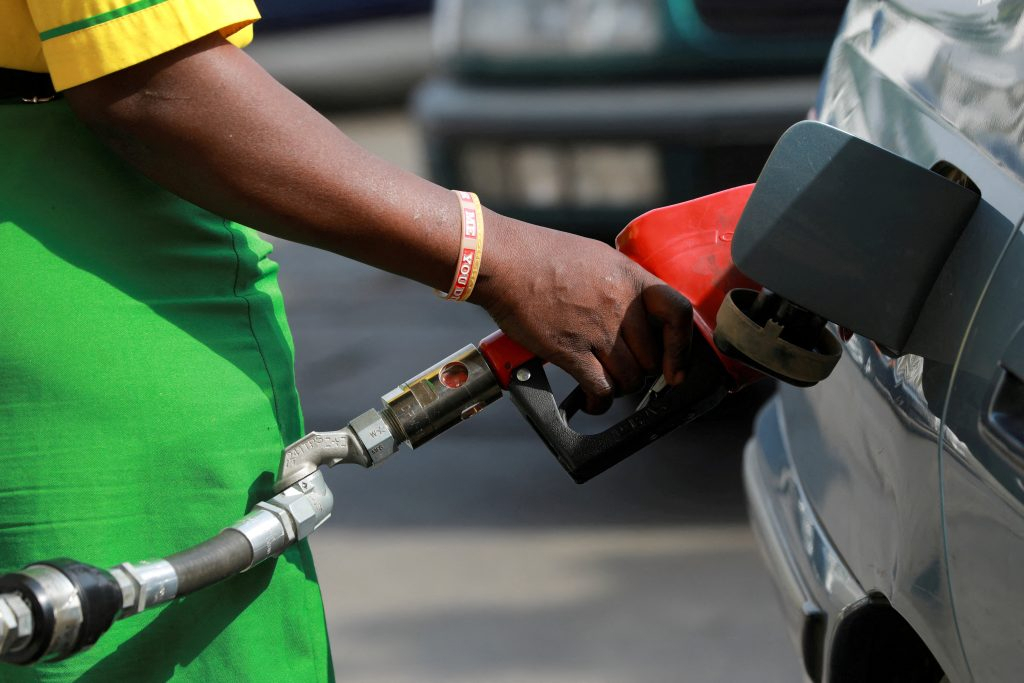
Nigerians have expressed widespread frustration and concern following the recent increase in petrol prices, describing the hike as a major strain on household budgets and the overall cost of living. Citizens across the country have raised their voices, highlighting the economic impact of the increase on transportation, goods, and everyday expenses.
Many commuters and transport operators reported that the new fuel prices have made daily travel significantly more expensive, forcing some to reduce trips or seek alternative transportation options. Small business owners and traders also voiced concerns, noting that higher fuel costs are likely to increase the price of goods and services, affecting both consumers and businesses.
Social media platforms have seen an outpouring of opinions, with Nigerians calling for government intervention to mitigate the financial burden. Citizens emphasized that the increase comes at a time when many households are already struggling with inflation and rising living costs, making the adjustment particularly challenging.
Economic analysts have noted that petrol price adjustments can have a ripple effect throughout the economy, impacting transportation costs, production expenses, and the price of essential goods. They suggest that the government may need to consider measures such as subsidies, targeted support for vulnerable populations, or gradual price adjustments to reduce the immediate financial pressure on citizens.
Community leaders and advocacy groups have urged Nigerians to remain vigilant and organized in expressing their concerns through lawful channels, emphasizing that dialogue and constructive engagement with policymakers are crucial in addressing the challenges posed by fuel price hikes.
The public sentiment reflects a deep desire for transparency, accountability, and effective economic policies that balance the need for fuel pricing adjustments with the welfare of ordinary citizens. Many Nigerians are calling on authorities to provide clear explanations for the increase and to implement strategies that prevent disproportionate hardship on families and businesses.
As the debate over petrol prices continues, the government is expected to engage with stakeholders, including industry experts, consumer groups, and transport associations, to find solutions that ease the economic impact while maintaining necessary energy sector policies.