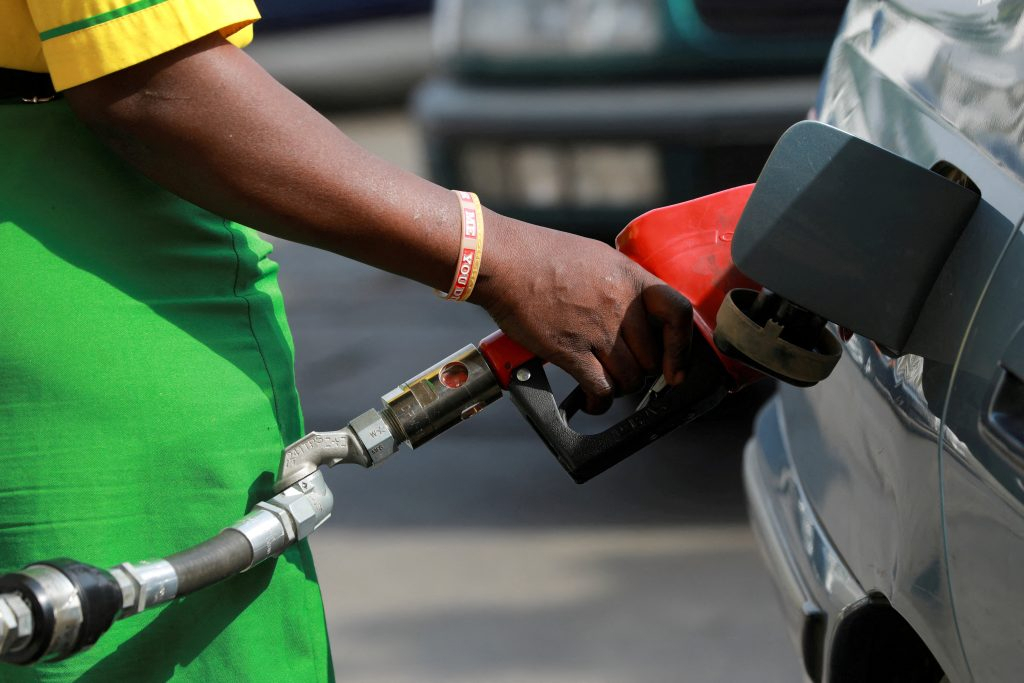
Petroleum product marketers across Nigeria have expressed cautious optimism over a potential reduction in fuel prices, following renewed signals that the country’s long-idle refineries may soon resume operations.
Industry stakeholders say recent developments around the rehabilitation and possible restart of key government-owned refineries have begun to shift market sentiment. For years, Nigeria has relied heavily on imported refined petroleum products due to the poor state of its domestic refining infrastructure. This dependence has exposed the market to global price volatility, foreign exchange pressures, and high logistics costs—factors that ultimately drive up pump prices for consumers.
Marketers noted that any meaningful return of local refining capacity could significantly alter the pricing structure of petrol. By reducing reliance on imports, operational refineries would help cut down on freight expenses, import duties, and the persistent demand for foreign currency used in procurement. These savings, they argue, could translate into lower retail prices over time, provided supply remains stable.
Officials familiar with the situation indicated that ongoing efforts to revive major refineries are progressing, with technical assessments, repairs, and phased operational plans already underway. While no firm nationwide rollout date has been confirmed, the renewed activity has injected a level of confidence into the downstream sector.
However, marketers also warned that expectations should remain measured. They emphasized that the actual impact on fuel prices will depend on several variables, including the efficiency of refinery operations, crude supply consistency, regulatory policies, and the broader exchange rate environment. Any delays, partial output, or operational inefficiencies could limit the anticipated price relief.
Energy analysts echoed similar sentiments, pointing out that even with functioning refineries, market dynamics such as distribution costs and private sector participation will still play a role in determining final pump prices. They stressed the importance of transparent pricing mechanisms and sustained infrastructure investment to ensure long-term stability.
For consumers, the prospect of lower fuel prices offers a glimmer of relief amid persistent economic pressure and rising living costs. Transportation fares, food prices, and general inflation have all been influenced by high fuel costs, making any potential reduction a significant development.
As the situation evolves, both marketers and consumers are closely monitoring progress on refinery rehabilitation efforts, hopeful that the long-awaited return of local refining will mark a turning point for Nigeria’s energy sector.