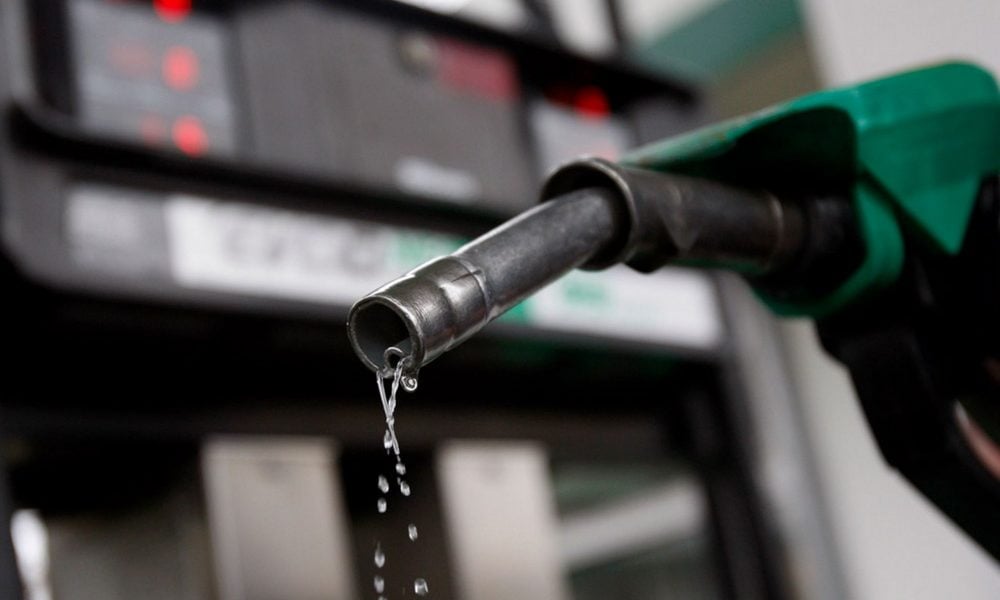
Refiners and petroleum depot owners in Nigeria are facing growing pressure to reduce the prices of refined petroleum products as stakeholders seek greater relief for consumers and businesses affected by high energy costs.
The pressure comes amid continued concerns over the impact of fuel prices on transportation, food distribution, manufacturing, logistics and other sectors of the Nigerian economy. Higher fuel costs have increased operating expenses for businesses and placed additional financial pressure on households.
Industry stakeholders are increasingly calling for a pricing environment that reflects changing market conditions, particularly when the cost of crude oil, foreign exchange, transportation and other components of petroleum distribution decline.
Pressure on refiners and depot owners
Refiners play a central role in determining the supply and cost of locally refined petroleum products, while depot owners serve as important links between suppliers and downstream fuel retailers.
When the cost of products entering the downstream market falls, expectations typically rise that the reduction should eventually be reflected at filling stations. However, the final pump price can also be influenced by transportation expenses, storage charges, financing costs, taxes, distribution margins and other operational expenses.
Stakeholders therefore want refiners, depot operators and other participants across the supply chain to review their margins and operating costs to determine whether additional reductions can be passed on to consumers.
Consumers seek relief
For motorists, commercial transport operators and businesses that depend heavily on petrol and other petroleum products, any reduction in fuel prices could provide significant financial relief.
Lower petrol prices could reduce transportation costs and potentially ease some of the pressure on the prices of goods and services. Small businesses that depend on generators for electricity could also benefit from reduced fuel expenses.
However, consumers are also watching closely to see whether any reduction at the supply or depot level will translate into noticeable changes at retail filling stations.
Competition could influence prices
The growing presence of domestic refining capacity is expected to increase competition within Nigeria’s downstream petroleum sector. More local supply could reduce dependence on imported refined products and potentially improve supply stability.
Greater competition among refiners and fuel suppliers could also encourage operators to review their pricing strategies as they compete for market share.
For depot owners, increased competition may similarly create pressure to offer more competitive prices to marketers and other buyers.
Industry faces cost pressures
Despite calls for lower prices, petroleum operators continue to contend with several costs that can affect the final price of fuel.
These include crude oil acquisition costs, foreign exchange movements, transportation, storage, port and terminal charges, financing expenses, maintenance and other logistics-related costs.
Consequently, a decline in one component of the supply chain does not automatically translate into an equivalent reduction in the retail price.
Government and regulators under scrutiny
The situation is also drawing attention to the role of government and regulatory authorities in ensuring transparency within the downstream petroleum market.
Stakeholders want pricing practices across the supply chain to remain transparent and competitive, while consumers expect reductions in wholesale prices to be fairly reflected in retail prices when underlying costs decline.
A transparent market could make it easier for consumers and businesses to understand how changes in crude oil prices, exchange rates and operating expenses affect the price they pay for petroleum products.
Possible impact on the economy
A sustained reduction in fuel prices could have broader economic implications. Transportation companies could experience lower operating costs, while manufacturers and other businesses that rely on fuel for power generation and logistics could see some reduction in expenses.
Lower transportation costs could also help reduce the cost of moving agricultural produce and other goods between different parts of the country.
The extent of the economic benefit, however, would depend on the size and sustainability of any fuel-price reduction.
Calls for fair pricing
The pressure on refiners and depot owners ultimately centres on the demand for fair and competitive pricing throughout Nigeria’s petroleum value chain.
Consumers want any meaningful reduction in supply costs to reach the retail market rather than being absorbed entirely through increased margins at different stages of distribution.
As competition in the domestic refining and petroleum distribution market develops, refiners, depot owners, marketers and retailers are expected to face increasing pressure to balance profitability with the need to provide petroleum products at competitive prices.
For consumers, the key issue remains whether changes in the underlying cost of petroleum supply will result in a genuine reduction in the amount they pay at the pump.