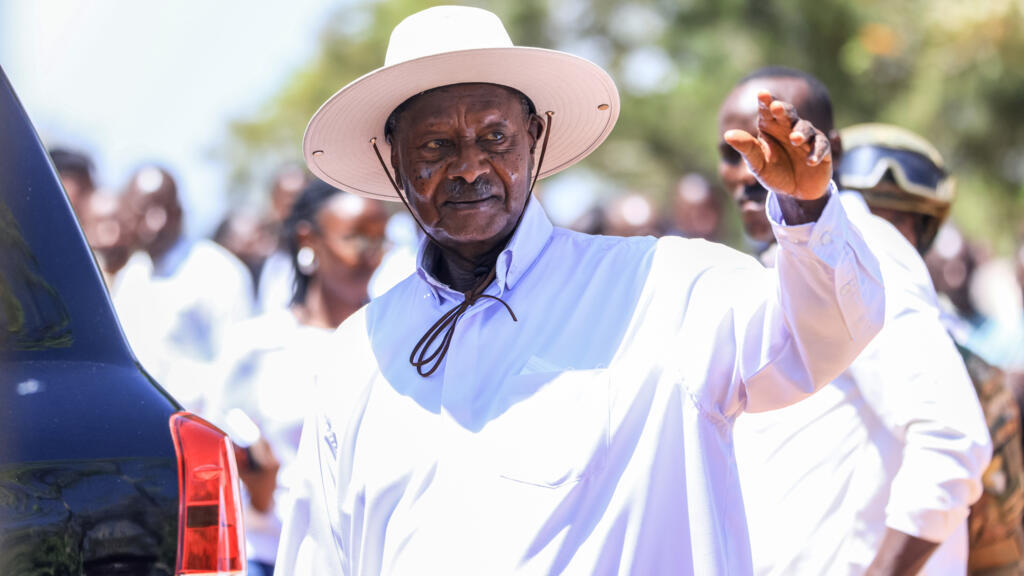
Uganda’s veteran leader, Yoweri Museveni, has been declared the winner of the country’s latest presidential election, securing another term in office at the age of 81 and extending his rule to more than forty years.
The declaration followed the completion of voting and collation of results by the national electoral body, which announced that Museveni polled the highest number of valid votes nationwide. His victory reinforces his status as one of Africa’s longest-serving presidents, having first come to power in 1986 after a guerrilla war that ended years of political instability.
During the campaign, Museveni presented himself as a stabilizing force, emphasizing continuity in governance, economic growth, infrastructure expansion, and national security. He argued that his experience and long-term leadership remain essential for maintaining unity and driving development in the country. Supporters welcomed the outcome with celebrations in several cities and rural communities, describing the result as an endorsement of his record and vision.
The election, however, unfolded amid heightened political tension. Opposition candidates and their supporters raised concerns over the electoral environment, citing allegations of restrictions on campaigns, security deployments, and limitations on political activities. Some opposition figures rejected the outcome, claiming the process did not fully reflect the will of the electorate and signaling intentions to pursue legal challenges through the courts.
Security agencies maintained a strong presence before, during, and after the vote, with authorities stating that the measures were necessary to preserve peace and prevent unrest. Despite isolated incidents and complaints, officials described the exercise as largely orderly.
With the new mandate, Museveni is expected to continue pursuing his administration’s priorities, including economic reforms, youth employment initiatives, regional diplomacy, and efforts to manage internal security challenges. At the same time, the outcome has renewed debate within Uganda and across the region about leadership longevity, democratic transitions, and the future of governance in the country.
As Uganda enters another chapter under Museveni’s leadership, attention is expected to shift to how the government addresses political divisions, economic pressures, and growing demands from a youthful population seeking greater participation and opportunities in national life.