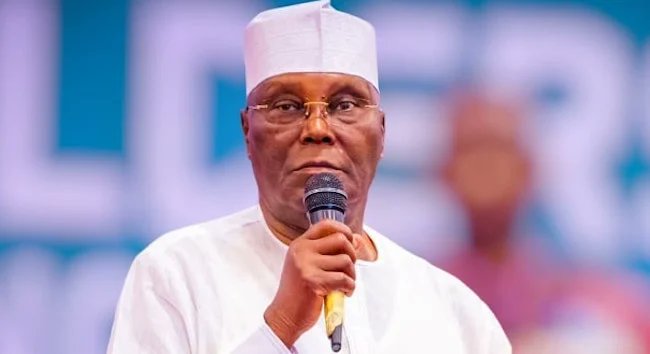
A fresh political exchange has emerged between former Vice President Atiku Abubakar and President Bola Ahmed Tinubu, centering on questions surrounding academic records and timelines. The development comes amid rising political activity and early positioning ahead of the 2027 general elections.
Atiku Abubakar publicly raised concerns over inconsistencies in Tinubu’s educational history, specifically pointing to records that, according to him, suggest attendance at an institution before its official establishment. He argued that such discrepancies warrant clarification, emphasizing the importance of transparency and accuracy in matters relating to public office holders’ credentials.
The former vice president maintained that leadership at the highest level demands accountability, particularly regarding personal records that form part of a leader’s public profile. He called for a clear explanation to address what he described as gaps in the timeline, noting that Nigerians deserve full disclosure from those in positions of authority.
In response, allies and supporters of President Tinubu dismissed the claims as politically motivated, framing them as part of ongoing efforts to discredit the administration. They insisted that the president’s academic and professional history has been adequately documented over the years and that the renewed scrutiny is driven by partisan interests rather than genuine concern.
The issue has since sparked broader public debate, with political observers and citizens weighing in on the significance of the allegations. While some view the matter as a legitimate call for accountability, others see it as a continuation of long-standing political rivalry between key figures in Nigeria’s political landscape.
Analysts note that such exchanges are likely to intensify as the 2027 election cycle gradually comes into focus. Questions around credibility, integrity, and personal history often become focal points in political contests, shaping public perception and influencing voter sentiment.
Despite the controversy, there has been no indication of any formal legal proceedings arising directly from the claims. However, the discussion has reinforced the ongoing demand for transparency in governance and the scrutiny that accompanies public leadership in Nigeria’s evolving democratic space.