Iran’s political leadership has entered a transitional phase following the confirmed death of Supreme Leader Ayatollah Ali Khamenei. As outlined under the country’s constitutional provisions, a temporary Leadership Council has been established to assume the duties and powers of the supreme leadership while the nation prepares for the selection of a permanent successor.
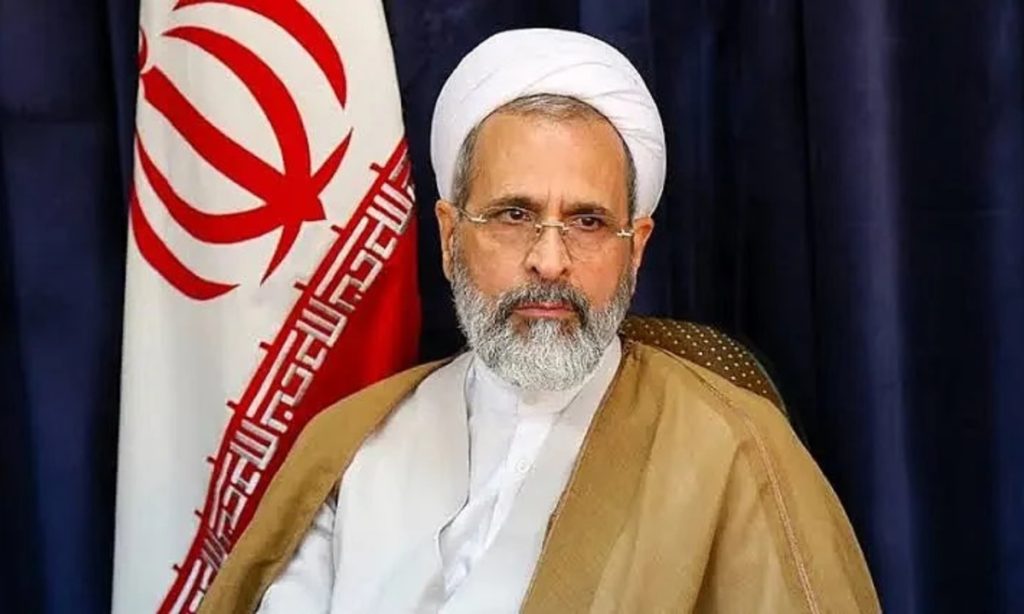
At the centre of this interim arrangement is Ayatollah Alireza Arafi, a senior cleric and member of the country’s powerful Guardian Council. He has been appointed as the clerical representative on the three-member Leadership Council, which will collectively oversee the functions previously held by the supreme leader.
Under Article 111 of Iran’s Constitution, when the position of Supreme Leader becomes vacant, it is filled temporarily by a council comprising the President (Masoud Pezeshkian), the head of the judiciary (Gholamhossein Mohseni-Ejei), and a jurist selected from the Guardian Council. Arafi was chosen by the Expediency Discernment Council to serve in this role, ensuring continuity of leadership.
Arafi’s appointment is intended to provide religious legitimacy and clerical oversight during the transition, reflecting the unique role of the supreme leadership in Iran’s theocratic system. As part of the interim council, his responsibilities include participating in high-level decision-making on state affairs, security matters, and governance until the Assembly of Experts elects a permanent successor.
The interim leadership arrangement comes at a time of heightened tensions and uncertainty following Khamenei’s death, which occurred amid a major escalation in regional conflict. The temporary council is tasked with maintaining stability and managing state functions during this sensitive period.
Analysts describe the transitional government framework as critical to preserving institutional continuity while the Assembly of Experts — a clerical body with constitutional authority — prepares to select the next supreme leader. This election process is expected to proceed according to established clerical protocols and internal deliberations, though details of the timeline remain limited.
Arafi’s role on the interim council underscores both his senior religious standing and the importance of maintaining clerical influence in Iran’s highest decisions during a time of mourning and geopolitical pressure. As the Leadership Council carries out its duties, its actions will be closely watched both inside Iran and by international observers monitoring developments in the region.