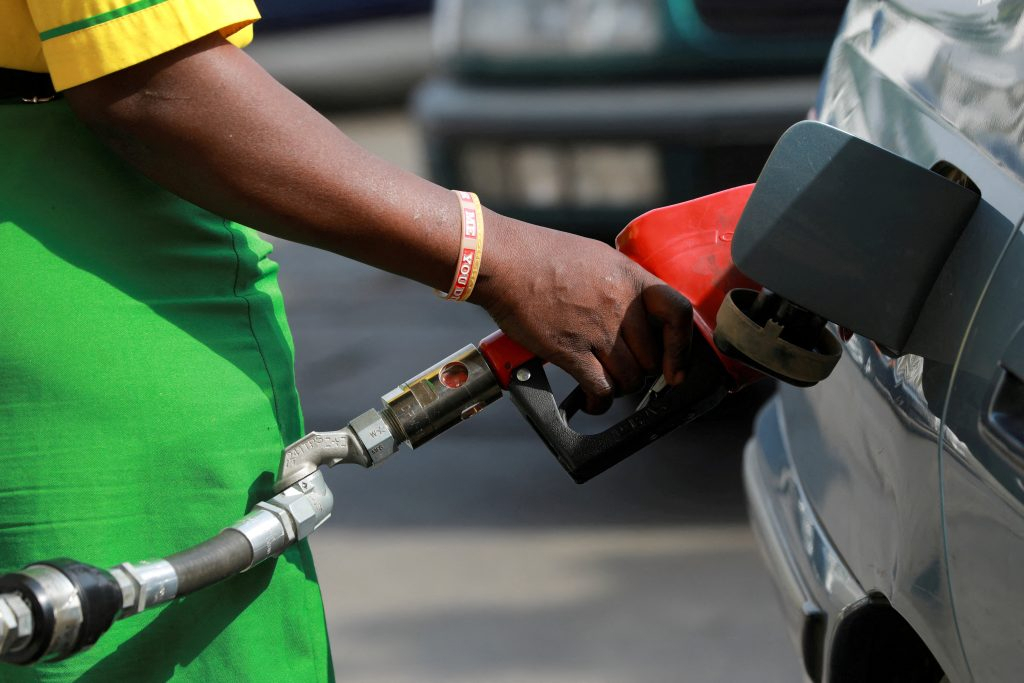
Nigerians are bracing for increased economic pressure following a fresh hike in fuel prices announced by the Dangote Refinery, a development that is already sending ripples across transportation, commerce, and household expenses nationwide.
The latest adjustment in pump prices comes amid ongoing efforts to stabilize Nigeria’s downstream petroleum sector. However, for millions of citizens, the immediate impact is a surge in the cost of living, as fuel remains a critical driver of economic activity in the country.
Rising Cost of Transportation
Commercial transport operators have begun adjusting fares in response to the increase. In major cities like Lagos, Abuja, and Port Harcourt, commuters report higher daily travel costs, with some routes experiencing sharp spikes. This has placed additional strain on workers and small business owners who rely on daily movement for income.
Pressure on Businesses
Small and medium-sized enterprises are also feeling the effects. Businesses that depend on fuel-powered generators due to inconsistent electricity supply now face increased operational costs. Many operators warn that they may be forced to raise prices of goods and services to remain viable, potentially triggering a broader inflationary trend.
Household Impact
For average households, the fuel price hike translates into higher expenses not only for transportation but also for food and basic commodities. The cost of logistics—from farm produce transportation to market distribution—is expected to rise, pushing food prices upward in both urban and rural areas.
Mixed Reactions
While some industry stakeholders argue that the price adjustment reflects market realities and the need for sustainability in refining operations, many citizens have expressed frustration over the timing and frequency of such increases. Concerns are growing over the absence of sufficient cushioning measures to protect vulnerable populations.
Broader Economic Implications
Economic analysts note that the decision by the Dangote Refinery could influence pricing patterns across the petroleum market, given the refinery’s scale and strategic importance. As one of Africa’s largest refining facilities, its pricing decisions often set the tone for downstream operators.
There are also concerns that continued increases in fuel prices could slow economic activities, reduce consumer spending power, and widen the gap between income levels and living costs.
Calls for Intervention
In response to the development, there have been growing calls for government intervention to mitigate the effects on citizens. Suggestions include targeted subsidies, improved public transportation systems, and policies aimed at stabilizing energy costs.
As Nigerians adjust to the new reality, the fuel price hike underscores ongoing challenges within the country’s energy sector and the broader economy, with many hoping for measures that will ease the burden in the near future.