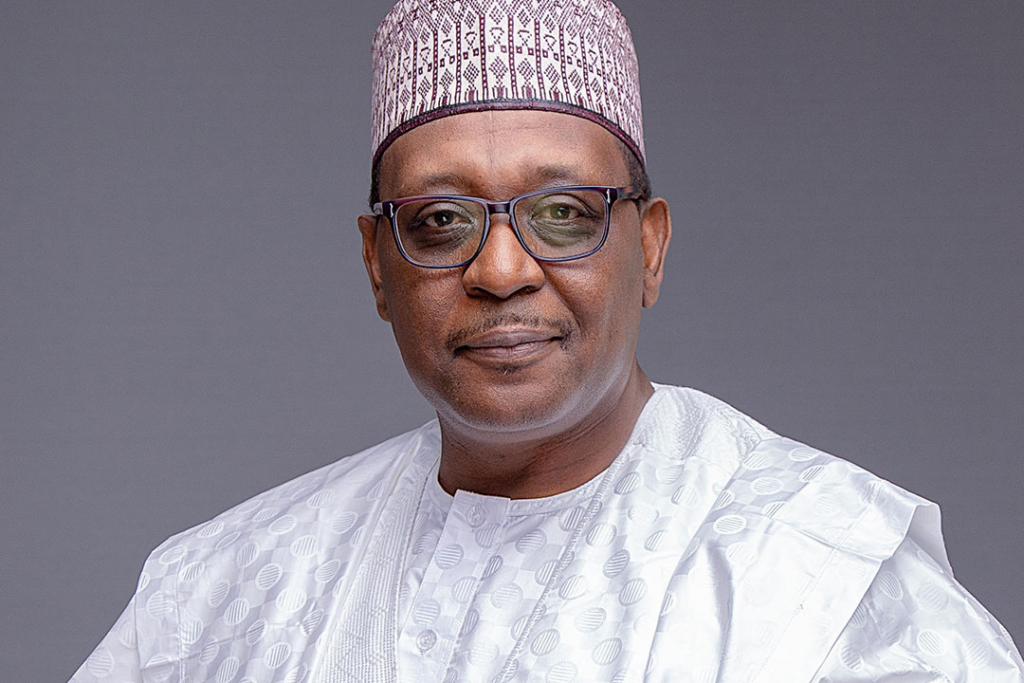
Nigeria’s Minister of Health has emphasized that achieving Universal Health Coverage (UHC) in the country will only be possible through unwavering political will and the adoption of well-designed financial strategies that ensure long-term sustainability.
Speaking at a national health policy forum in Abuja, the Minister outlined the critical steps needed to strengthen the nation’s healthcare system and make essential services accessible to all citizens, regardless of their income level or location. He noted that while several reforms have been introduced in recent years, progress toward UHC remains heavily dependent on leadership resolve at all levels of government.
According to him, UHC requires consistent investment, smarter resource allocation, and improved accountability in the health sector. He explained that governments must commit to increasing budgetary provisions for primary healthcare, upgrading health facilities, and ensuring that rural communities are not left behind in the distribution of medical resources.
The Minister also highlighted the importance of health insurance expansion, calling for the enrollment of more Nigerians—especially those in the informal sector—into state and national health insurance schemes. He stressed that without pooling funds through insurance, millions would continue to face catastrophic out-of-pocket payments that push families into poverty.
He described strategic financing as the “engine” of healthcare reform, adding that investments must be targeted at essential medicines, trained health workers, data systems, emergency care, and preventive services. The Minister urged both federal and state governments to collaborate more effectively in implementing these measures.
In addition to funding and political commitment, he pointed out the need for transparent governance, improved policy execution, and stronger partnerships with the private sector and development organizations. He maintained that UHC is not merely a health-sector goal but a national development priority capable of reducing social inequalities and boosting economic productivity.
The Minister reaffirmed the government’s commitment to ongoing reforms, including expanding community health services, digitalizing patient records, improving disease surveillance, and strengthening regulatory frameworks for health facilities and pharmaceuticals.
He concluded by urging political leaders, health professionals, and citizens to work together, stating that the journey toward Universal Health Coverage requires unity, persistence, and clear policy direction to ensure that quality healthcare becomes a right enjoyed by every Nigerian.