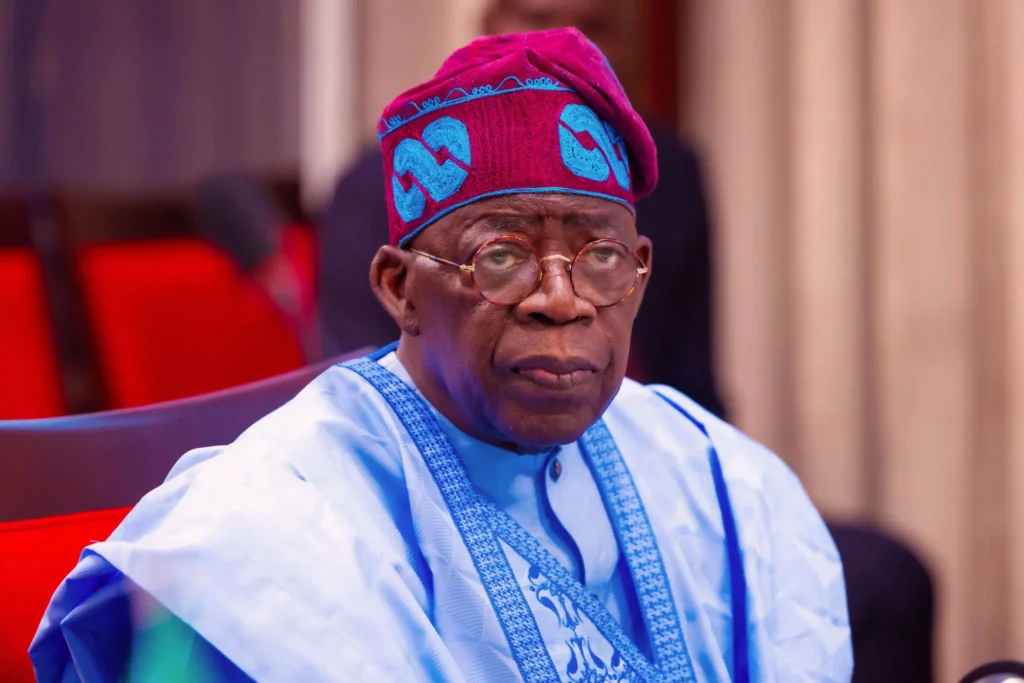
A prominent chieftain of the All Progressives Congress (APC), Chief Eze, has stated that President Bola Ahmed Tinubu’s policy decisions and governance style have unintentionally created conditions that could strengthen the African Democratic Congress (ADC) as the 2027 political season approaches.
Chief Eze made the remarks during a media interaction with political stakeholders, where he analyzed emerging shifts within Nigeria’s political landscape. According to him, several recent political developments have contributed to a growing appetite among citizens for alternative party platforms, thereby enhancing the visibility and potential influence of the ADC.
He asserted that while Tinubu’s administration has implemented reforms aimed at stabilizing the economy and restructuring governance, the outcomes have generated mixed public reactions. Eze explained that the economic hardships that followed certain policy decisions—such as subsidy removal and currency adjustments—have opened a political window for opposition parties, including the ADC, to position themselves as viable options.
Eze emphasized that the rise of public debate around accountability, governance fairness, and national unity has provided parties outside the mainstream political blocs with an opportunity to expand their support base. He noted that the ADC, in particular, has been capitalizing on this moment by strengthening its internal structures, enhancing organization at grassroots level, and engaging new segments of the electorate.
He clarified that his remarks were not meant to undermine President Tinubu’s authority but to highlight the evolving dynamics within the political environment. According to him, President Tinubu’s leadership style—characterized by strategic political alliances, assertive decision-making, and bold reforms—has reshaped party alignments in ways that could benefit emerging parties in the long term.
Eze further urged political actors to recognize that the run-up to 2027 will not be defined by incumbency alone, but by how effectively parties can interpret national sentiments and present credible plans to the electorate. He encouraged the ruling party to pay closer attention to public feedback in order to retain political goodwill.
The APC chieftain called on political leaders across all parties to prioritize national stability while preparing for future elections. He stressed that Nigeria’s democratic growth depends on constructive competition, robust institutions, and transparent governance.
As political realignments continue to unfold, Chief Eze believes the ADC’s momentum is likely to grow, especially among voters who seek alternatives to the dominant political structures. However, he noted that only the actions of the parties—rather than public perceptions alone—will determine how the political landscape ultimately evolves before 2027.