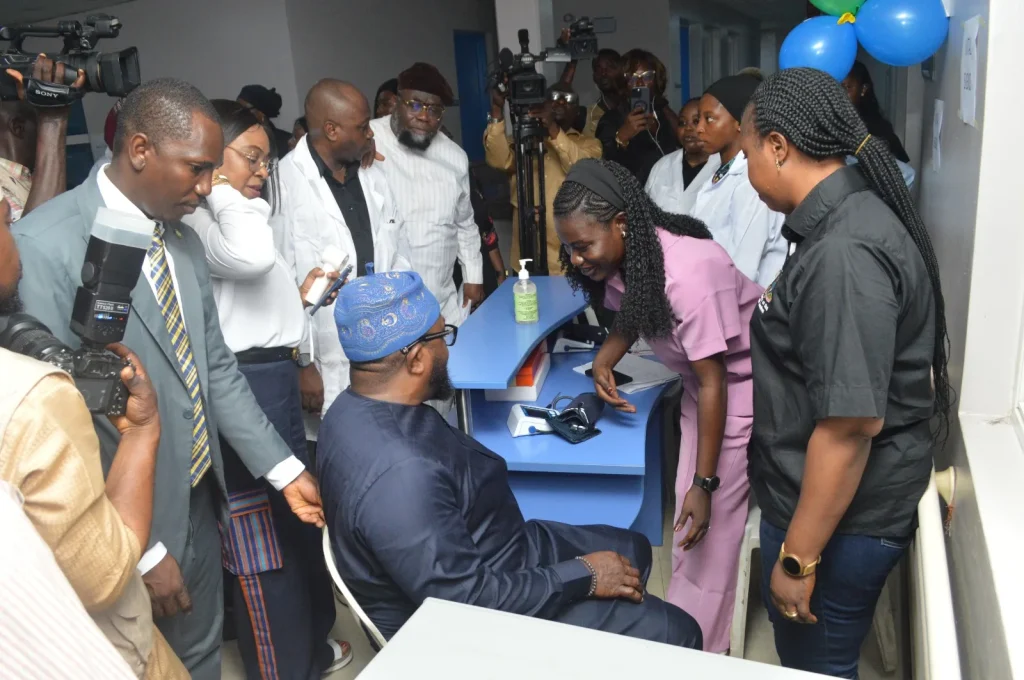
The Lagos State Government has announced an expansion of its routine health screening programme for civil servants as part of a broader strategy to combat the growing burden of non-communicable, often asymptomatic illnesses commonly described as “silent diseases.”
Under the initiative, more public sector workers across ministries, departments, and agencies will undergo periodic medical evaluations designed to detect conditions such as Hypertension, Diabetes Mellitus, and other cardiovascular or metabolic disorders at early stages. Health officials noted that these conditions frequently present without obvious symptoms until complications arise, making early detection critical.
The expanded programme is expected to include comprehensive checks such as blood pressure monitoring, blood glucose testing, cholesterol profiling, body mass index assessments, and lifestyle evaluations. In some cases, participants may also receive counseling on nutrition, physical activity, stress management, and preventive care practices.
According to government representatives, the decision to scale up the initiative follows internal health assessments indicating a rising prevalence of lifestyle-related illnesses among the workforce. Sedentary work patterns, dietary habits, and work-related stress were identified as contributing factors, prompting the need for a more proactive and structured intervention.
Medical teams will be deployed to designated screening centers and, in some cases, directly to government offices to ensure accessibility and encourage participation. The programme is structured to run on a scheduled basis, allowing employees to be screened periodically rather than on a one-off basis.
Officials emphasized that the initiative is not only a welfare measure but also an economic strategy. By identifying and managing health conditions early, the government aims to reduce long-term healthcare costs, minimize absenteeism, and improve overall productivity within the civil service.
Civil servants diagnosed with medical conditions during the screenings will be referred for further evaluation and treatment within the state’s healthcare system. Follow-up mechanisms are also being introduced to ensure continuity of care and adherence to medical advice.
Reactions among workers have been largely positive, with many describing the programme as timely and beneficial, particularly given the increasing awareness of non-communicable diseases in urban populations. Health professionals have also commended the move, noting that workplace-based health interventions can significantly improve early diagnosis rates.
The expansion of routine health checks reflects a growing shift toward preventive healthcare in Lagos, with authorities signaling plans to further strengthen public health initiatives that prioritize early detection, awareness, and long-term wellness.
Early detection and public awareness are very important in preventing serious health problems. More health initiatives like this can help Nigerians live healthier and longer lives.
This is a positive step toward improving public healthcare in Nigeria. Focusing on prevention and wellness will reduce pressure on hospitals and save many lives in the future.
Health education and regular medical checkups should become a priority for everyone. Strong public health campaigns can create more awareness and encourage healthier lifestyles across the country.