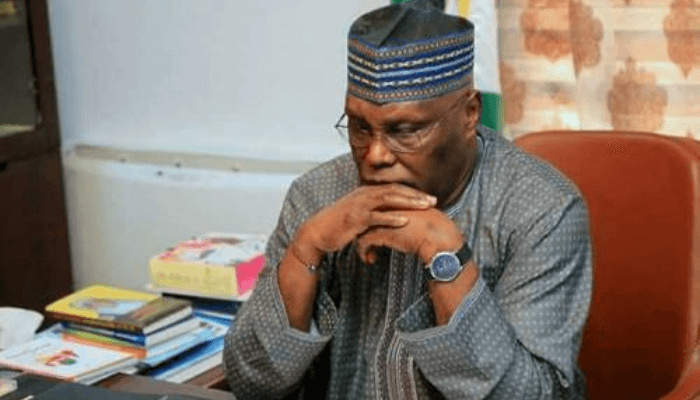
Political developments ahead of the 2027 general elections are beginning to reshape the opposition landscape, as growing calls emerge for Atiku Abubakar to step aside in the interest of a broader coalition. The pressure comes amid increasing momentum behind a proposed joint presidential ticket involving Peter Obi and Rabiu Musa Kwankwaso.
Key stakeholders across multiple political blocs are reportedly engaged in consultations aimed at unifying opposition forces to present a stronger challenge in the next election cycle. Advocates of the proposed alliance argue that a combined Obi–Kwankwaso ticket could consolidate votes across critical regions, particularly among young voters and in areas where both figures demonstrated significant electoral strength in previous contests.
Within these discussions, some party leaders and influential figures are said to be urging Atiku Abubakar, a veteran presidential contender, to consider stepping down to allow for generational shift and strategic realignment. They contend that such a move could reduce fragmentation within the opposition and improve the chances of mounting a competitive campaign against the ruling establishment.
However, the idea has not been universally accepted. Supporters of Atiku maintain that his political experience, nationwide network, and longstanding presence in national politics position him as a formidable candidate. They argue that sidelining him could alienate key constituencies and weaken party structures that have been built over decades.
Meanwhile, backers of Peter Obi highlight his appeal among urban voters and the youth demographic, pointing to his reputation for fiscal prudence and reform-oriented messaging. On the other hand, Rabiu Musa Kwankwaso’s proponents emphasize his strong grassroots following, particularly in northern Nigeria, as a critical asset in any coalition strategy.
Analysts suggest that the success of any joint ticket will depend heavily on negotiations around power-sharing arrangements, party alignment, and the ability to manage competing interests within the opposition. Questions surrounding which platform such a ticket would run on, as well as how other influential figures would be accommodated, remain central to ongoing deliberations.
As political maneuvering intensifies, the coming months are expected to be decisive in determining whether a unified opposition front can materialize or whether internal divisions will persist. The outcome of these negotiations could play a significant role in shaping the dynamics of the 2027 presidential race.