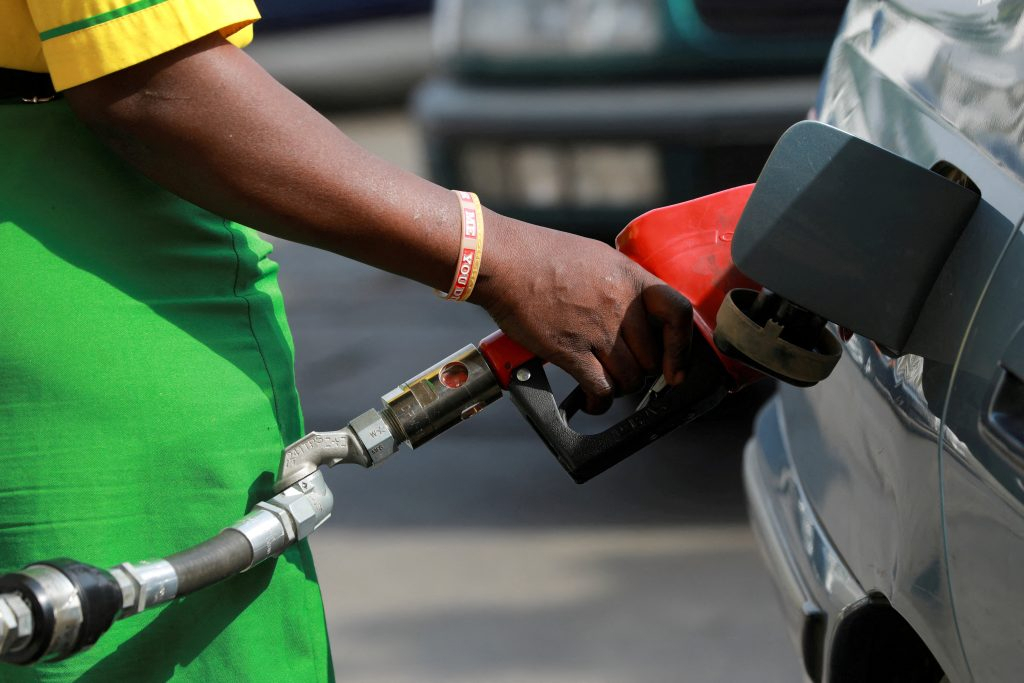
Nigerians marked Workers’ Day amid renewed concerns over the rising cost of living, as petrol prices surged to about N1,440 per litre following fresh adjustments by the Nigerian National Petroleum Company Limited (NNPCL) and other fuel marketers.
Across several cities, long queues reappeared at filling stations as consumers scrambled to purchase fuel at the new rates. In major urban centres, many independent marketers quickly adjusted their pump prices in response to changes in supply costs, with some outlets selling even higher depending on location and logistics.
The latest increase has intensified pressure on households and businesses already grappling with inflation. Commuters reported higher transport fares, while small business owners expressed fears over shrinking profit margins as operating costs continue to climb. Commercial drivers in particular lamented that the hike would inevitably be passed on to passengers, worsening the financial burden on workers.
The development comes at a time when organised labour and workers across the country are calling for improved wages, better welfare conditions, and policies to cushion the impact of economic reforms. Labour leaders used the Workers’ Day platform to highlight the disconnect between rising living costs and stagnant incomes, urging authorities to implement measures that would provide immediate relief.
Energy analysts attribute the price increase to prevailing market realities, including foreign exchange pressures, global oil price dynamics, and the deregulated nature of the downstream petroleum sector. They note that fluctuations in landing costs and distribution expenses continue to influence pump prices.
Meanwhile, stakeholders have called for greater transparency in pricing mechanisms and more robust interventions to stabilise the market. Some have also urged the government to accelerate investment in local refining capacity to reduce dependence on imports and mitigate exposure to external shocks.
As Nigerians navigate the implications of the latest fuel price adjustment, the Workers’ Day observance has underscored a broader national conversation about economic resilience, wage sustainability, and the need for balanced reforms that protect vulnerable populations while fostering growth.