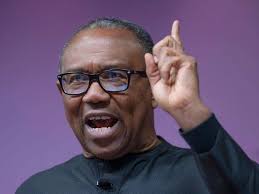
Fresh political debates have emerged over the growing influence of opposition figures ahead of the 2027 general elections, as northern political analysts raised concerns about the level of acceptance former Labour Party presidential candidate Peter Obi may receive across the northern region despite the strong grassroots structure associated with Rabiu Musa Kwankwaso.
Political commentators Muhammad and Ibrahim, while discussing possible coalition talks among opposition leaders, argued that although Kwankwaso commands significant support in parts of northern Nigeria through his political movement, such influence may not automatically translate into widespread acceptance for Peter Obi among northern voters.
According to the analysts, regional politics, religious balancing, party loyalty, and long-standing political structures remain major factors that could shape voter behavior ahead of the next presidential election. They explained that while Obi continues to enjoy strong popularity among youths and urban voters across several parts of the country, building deeper political trust within conservative northern communities may still require more engagement and alliance-building.
The analysts also noted that any successful opposition coalition would depend on strategic negotiations, power-sharing agreements, and the ability to present a united front capable of challenging the ruling establishment. They stressed that personal popularity alone may not be enough to secure victory in a highly competitive national election.
Despite the concerns raised, supporters of Peter Obi maintain that his message of economic reform, transparency, and national development continues to attract Nigerians across ethnic and regional lines. Many believe that shifting political realities and growing dissatisfaction among citizens could reshape traditional voting patterns before 2027.
Meanwhile, supporters of Kwankwaso insist that his political structure remains one of the strongest grassroots networks in northern Nigeria and could play a decisive role in any future coalition arrangement. Political observers say discussions among opposition figures are expected to intensify as preparations for the next election cycle gradually begin.
Analysts further stated that the coming months will likely witness increased consultations among political stakeholders, defections across party lines, and strategic realignments as major political actors position themselves for the 2027 presidential contest.