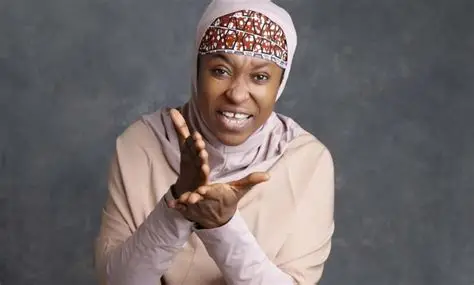
Prominent activist and public affairs commentator Aisha Yesufu has criticized former Bayelsa State Governor Seriake Dickson, accusing him of engaging in unnecessary political battles and reacting to issues that, according to her, do not amount to direct attacks against him.
The disagreement emerged amid ongoing political discussions surrounding opposition realignments and debates over the future direction of political coalitions ahead of the 2027 general elections.
Speaking on the matter, Yesufu argued that certain comments and reactions attributed to Dickson appeared to be responses to perceived threats rather than actual confrontations. She maintained that political leaders should focus on addressing substantive national issues instead of engaging in disputes that could create divisions within opposition circles.
According to her, the current political environment requires greater collaboration among stakeholders seeking reforms and democratic progress. She noted that disagreements are natural in politics but should not be interpreted as personal attacks capable of undermining broader political objectives.
Yesufu emphasized the need for constructive engagement among political actors, urging leaders to channel their energies toward policies and initiatives that directly impact citizens rather than becoming entangled in internal disputes.
The activist further stated that political conversations should be guided by mutual respect and a commitment to national development. She argued that excessive focus on personal disagreements often distracts attention from pressing concerns such as economic challenges, security, governance, and social welfare.
Her remarks have generated reactions from political observers, many of whom view the exchange as part of the broader debate surrounding opposition politics and coalition-building efforts. Analysts believe that differences of opinion among key political figures are likely to continue as discussions intensify over strategies for future elections.
Supporters of Yesufu’s position argue that political leaders should avoid unnecessary confrontations and instead prioritize unity where common interests exist. Others, however, maintain that public figures have the right to defend themselves whenever they believe their reputation or political standing is being challenged.
Despite the disagreement, observers note that such debates reflect the vibrancy of democratic discourse, where differing viewpoints are openly expressed and contested in the public arena.
As political activities continue to gather momentum ahead of future electoral contests, stakeholders are expected to engage in further discussions on leadership, alliances, governance, and the role of opposition movements in shaping the country’s democratic future.
The development has once again highlighted the dynamic nature of Nigeria’s political landscape, where public commentary and political exchanges frequently influence broader conversations about governance and national development. :::