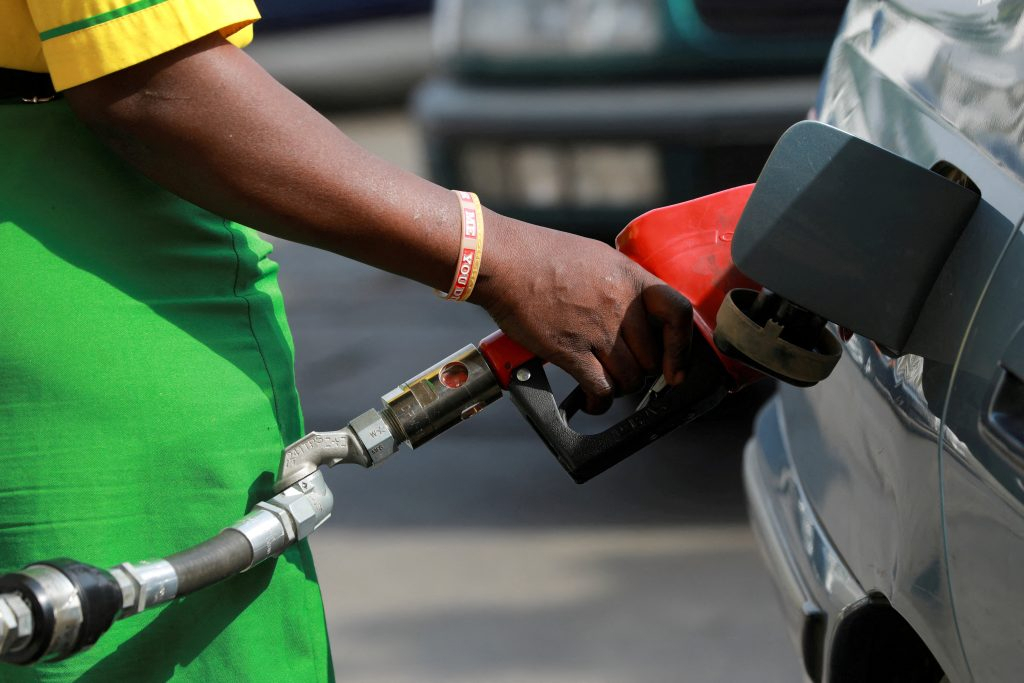
Motorists across Nigeria may soon experience further relief at the pumps as the retail price of Premium Motor Spirit (PMS), commonly known as petrol, is projected to move closer to the ₦1,000 per litre mark in several parts of the country.
Industry observers attribute the anticipated adjustment to increasing competition among petroleum marketers, improved product availability, and changes in supply costs. The combination of these factors has encouraged many filling stations to review their pump prices in a bid to attract and retain customers.
In recent weeks, fuel distribution has become more stable in several major cities, reducing the pressure that previously contributed to higher retail prices. As supply chains improve and marketers gain access to more competitively priced products, many are expected to pass some of the cost savings on to consumers.
While pump prices may vary depending on transportation expenses, operating costs, and regional market conditions, analysts believe many retail outlets could gradually adjust their prices to around ₦1,000 per litre if current market trends continue.
Commercial transport operators and private vehicle owners have welcomed the possibility of lower fuel prices, expressing hope that sustained reductions would ease transportation costs and reduce the financial burden on households and businesses. Many also expect that more affordable fuel could help stabilize the prices of goods and services, which have been affected by high logistics costs.
Petroleum marketers, however, note that future price movements will continue to depend on key factors such as international crude oil prices, foreign exchange rates, shipping costs, and domestic distribution expenses. They emphasized that the downstream petroleum market remains dynamic, with prices responding to prevailing economic conditions.
Consumers have been advised to monitor official pump prices displayed at filling stations and patronize licensed marketers, while industry stakeholders remain optimistic that healthy competition and improved market efficiency will contribute to more stable fuel prices in the months ahead.