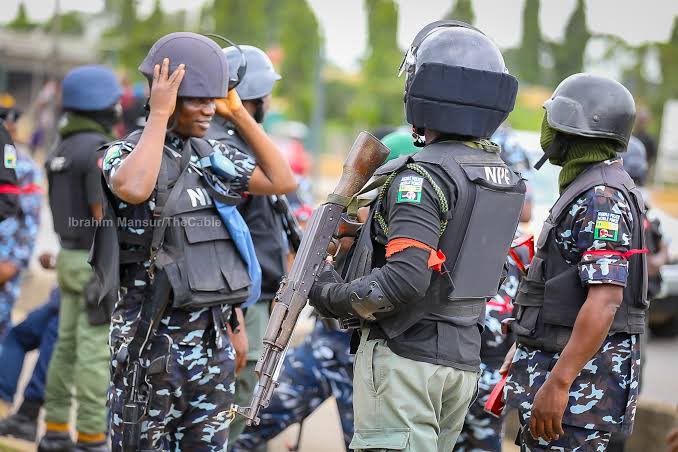
The National Assembly has passed the long-debated bill seeking to establish state police, marking a significant step in Nigeria’s efforts to reform its security architecture. The proposed legislation is expected to strengthen the capacity of state governments to respond more effectively to security challenges within their respective jurisdictions.
The passage of the bill followed extensive debates by lawmakers, who argued that the current centralized policing system has struggled to address rising cases of kidnapping, banditry, communal violence, and other criminal activities across different parts of the country. Supporters believe state-controlled police forces will improve intelligence gathering, enhance community policing, and ensure quicker responses to emergencies.
The development has generated mixed reactions among Nigerians. Many citizens welcomed the bill, describing it as a timely reform capable of bringing security closer to the people. They argued that governors and local authorities have a better understanding of the unique security concerns in their states and should have greater control over policing operations.
However, some Nigerians expressed concerns over the potential misuse of state police by political leaders. Critics fear that without strong constitutional safeguards, state-controlled security agencies could be used to intimidate political opponents, suppress dissent, or interfere with electoral processes. They have called for strict oversight mechanisms, independent accountability bodies, and transparent recruitment processes to prevent abuse.
Security experts have also emphasized the need for adequate funding, professional training, clear operational guidelines, and effective coordination between state police formations and federal security agencies. They noted that successful implementation would depend on maintaining professionalism, respect for human rights, and operational independence.
With the National Assembly’s approval secured, attention now shifts to the remaining constitutional processes required before the proposed state police system can become operational. If fully implemented, the reform is expected to reshape Nigeria’s security framework by allowing states to play a more active role in protecting lives and property while complementing existing federal security institutions.
https://shorturl.fm/Nuhu8