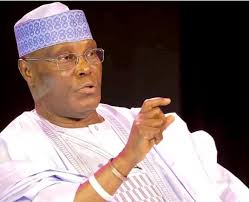
Former Vice President Atiku Abubakar has criticised the administration of President Bola Ahmed Tinubu over the use of tax incentives for oil companies, arguing that such measures could place additional pressure on Nigerians at a time when petrol prices remain a major concern.
Atiku questioned the government’s economic priorities, particularly the decision to provide fiscal incentives to companies operating in the oil sector while households and businesses continue to face higher transportation, food and energy costs.
The former vice president argued that government policies should be designed to protect citizens and strengthen the economy while ensuring that major corporations contribute appropriately to public revenue.
His criticism comes amid continued public concern over the rising cost of petrol and its wider impact on the Nigerian economy. Changes in petrol pricing have affected transportation costs, logistics, household expenses and the operating costs of businesses across the country.
Atiku maintained that the government must carefully evaluate the consequences of its fiscal policies, particularly where incentives granted to private companies could reduce government revenue or create an imbalance between corporate interests and the welfare of citizens.
He also called for greater transparency in the implementation of tax policies and incentives, stressing the importance of making Nigerians aware of the expected economic benefits of such measures.
The former vice president’s position reflects a broader disagreement over how the government should manage the country’s oil resources and taxation system. While proponents of incentives for investors argue that tax relief can encourage investment, increase production, create jobs and attract capital into the petroleum industry, critics believe such measures must be subjected to strict accountability and measurable performance requirements.
The Tinubu administration has maintained that its economic reforms are intended to create a more competitive business environment, strengthen public finances and attract investment. The government has also promoted policies aimed at increasing domestic oil production and encouraging investment in the petroleum sector.
However, the rising cost of living has made fuel pricing one of the most politically sensitive economic issues in the country. Higher petrol prices have contributed to increased transportation and operating costs, with businesses frequently passing part of those costs to consumers through higher prices.
Atiku’s criticism therefore places renewed attention on the relationship between government incentives for businesses and the immediate economic realities facing ordinary Nigerians.
The debate is likely to remain prominent as the federal government continues implementing its fiscal and petroleum-sector reforms. The central question remains whether the incentives being offered to investors will generate sufficient long-term economic benefits to justify their cost to government revenue, while also improving energy supply, employment, productivity and living standards.
For many Nigerians, the effectiveness of the government’s policies will ultimately be judged not only by investment figures or government revenue but also by whether reforms can produce more affordable energy, stronger purchasing power and improved economic opportunities.