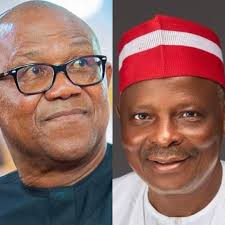
Growing discussions around a possible political alliance involving Peter Obi and Rabiu Musa Kwankwaso under the proposed National Democratic Coalition (NDC) platform have continued to generate intense reactions across Nigeria’s political landscape ahead of the 2027 general elections.
The development has sparked debates among supporters, political stakeholders, and analysts, with many expressing different opinions over the potential impact such an alliance could have on the country’s political future. While some Nigerians believe the collaboration could create a formidable opposition force capable of challenging the ruling establishment, others remain skeptical about the feasibility of the coalition and the ability of key political figures to work together effectively.
Supporters of the proposed alliance argue that both Obi and Kwankwaso command strong followings across different regions of the country. Obi is widely viewed as influential among young voters and urban populations, particularly in the southern region, while Kwankwaso maintains significant political strength in parts of northern Nigeria through his loyal grassroots movement.
Political observers say the conversation around a united opposition movement is gaining momentum due to increasing calls for a broader coalition capable of addressing national concerns such as economic hardship, insecurity, unemployment, inflation, and governance reforms. Many believe that combining the political structures and voter bases of the two leaders could reshape the political calculations ahead of the 2027 presidential contest.
However, critics have questioned whether ideological differences, personal ambitions, and party interests may become obstacles to the success of the proposed coalition. Some stakeholders also argue that past political alliances in Nigeria have struggled due to disagreements over leadership positions and campaign strategies.
Within political circles, discussions are reportedly ongoing regarding the structure and direction of the proposed NDC movement, although no official declaration has been made concerning a joint presidential ticket or formal merger arrangement. Analysts note that negotiations among opposition figures may intensify in the coming months as preparations for the next election cycle gradually begin to take shape.
Meanwhile, reactions on social media and among political commentators remain divided. While some Nigerians have welcomed the possibility of a stronger opposition bloc, others insist that political alliances alone may not be enough to guarantee electoral success unless accompanied by clear policy direction and national unity.
As political activities ahead of 2027 continue to gather momentum, attention is expected to remain focused on any future developments involving Obi, Kwankwaso, and other opposition figures seeking to redefine Nigeria’s political landscape.