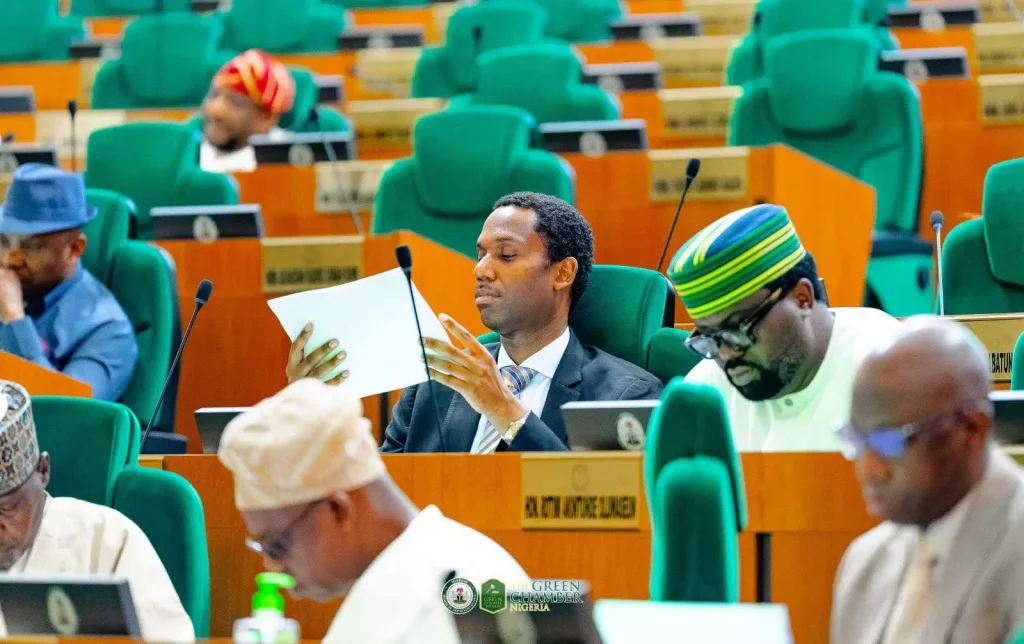
The House of Representatives has approved a bill seeking to establish state police across the country, marking a significant step in ongoing efforts to reform Nigeria’s security architecture and strengthen grassroots policing.
The proposed legislation, which received the support of lawmakers during deliberations, is aimed at granting states the constitutional authority to establish and manage their own police services while working in coordination with federal security agencies.
Supporters of the bill argue that the creation of state police will enhance security by allowing law enforcement agencies to better understand local challenges, cultures, languages, and geographical realities. They believe that a decentralized policing system will improve intelligence gathering, rapid response to security threats, and overall public safety.
Lawmakers backing the proposal maintained that the increasing complexity of security challenges across different parts of the country requires a more localized approach to law enforcement. They noted that state-controlled police formations would complement existing federal security structures and help address crimes more effectively.
During discussions on the bill, proponents emphasized the need for stronger safeguards to ensure professionalism, accountability, and respect for human rights within any future state police framework. They stressed that appropriate oversight mechanisms would be necessary to prevent abuse of power and political interference.
The proposed legislation also outlines provisions relating to recruitment, training, funding, operational responsibilities, and coordination between state police commands and federal security institutions. Advocates say these measures are intended to create an efficient and balanced policing system capable of meeting modern security demands.
However, concerns were raised by some stakeholders regarding the potential misuse of state police by political actors. Critics have called for strict constitutional protections and independent monitoring systems to ensure that state-controlled law enforcement agencies operate within the law and serve the public interest.
Security experts and governance analysts have long debated the merits of state policing, with many arguing that the country’s growing population and diverse security challenges require innovative approaches beyond a centrally controlled police structure.
The approval of the bill by the House represents a major milestone in the legislative process. The proposal is expected to undergo further constitutional and procedural considerations before becoming law.
If eventually implemented, the state police initiative could bring significant changes to Nigeria’s security framework, potentially redefining how law enforcement responsibilities are shared between federal and state governments.
Many observers view the development as a landmark moment in the broader conversation about security reform, federalism, and the future of policing in the country. :::