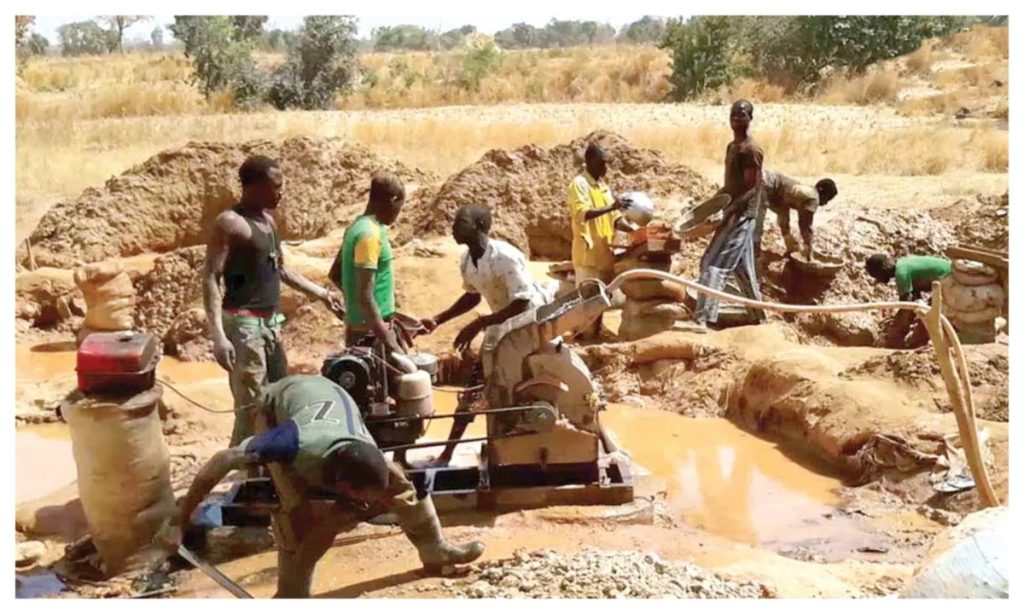
A probe panel investigating the deaths of miners in Niger State has identified overcrowding and extreme heat as major factors that contributed to the fatal incident, raising fresh concerns about safety standards and working conditions in the mining sector.
The findings have drawn attention to the dangers faced by miners who work in poorly ventilated underground environments, where excessive temperatures, limited airflow and congested working spaces can create life-threatening conditions.
The incident has also renewed calls for stronger enforcement of mining regulations, improved workplace safety measures and greater accountability among operators responsible for mining activities.
Overcrowding and Extreme Heat Under Investigation
According to the probe panel’s reported findings, overcrowding within the mining area contributed to the dangerous conditions that preceded the miners’ deaths.
When too many workers occupy a confined mining space, the risks associated with inadequate ventilation and rising temperatures can increase significantly. In underground mines, proper airflow is essential for regulating temperatures, maintaining breathable air and removing potentially dangerous gases.
Extreme heat can cause workers to experience heat exhaustion, dehydration and heatstroke. In severe circumstances, prolonged exposure to excessive temperatures can lead to organ failure and death, particularly when workers cannot leave the affected area quickly or receive emergency medical assistance.
The combination of overcrowding and extreme heat can make an already hazardous working environment even more dangerous.
However, establishing the precise circumstances surrounding the deaths requires consideration of the panel’s complete findings, including any available medical evidence, technical assessments and witness accounts.
Growing Concerns Over Mining Safety
The reported findings have highlighted longstanding concerns about the safety of mining operations in Nigeria, particularly at sites where workers may operate in confined spaces without adequate ventilation, emergency exits or effective monitoring systems.
Mining is inherently hazardous, but many mining-related accidents can be prevented through proper planning, appropriate equipment, effective supervision and compliance with established safety requirements.
Mining operators are expected to assess workplace hazards, ensure that working conditions remain within safe limits and provide workers with the necessary protective equipment and emergency procedures.
Where underground operations are involved, ventilation systems must be capable of supplying sufficient fresh air and controlling heat accumulation. Operators must also manage the number of workers allowed in restricted areas and ensure that emergency evacuation procedures are practical and effective.
Failure to address these risks can expose workers to preventable dangers.
Questions Over Regulatory Oversight
The probe panel’s findings have also raised questions about the effectiveness of regulatory supervision at mining sites in Niger State.
Authorities responsible for the mining industry are expected to ensure that operators comply with applicable laws, safety standards and operational requirements.
Effective oversight includes conducting inspections, identifying unsafe working conditions, requiring corrective action and imposing appropriate sanctions where violations are established.
The latest incident underscores the importance of ensuring that safety requirements are implemented in practice rather than treated merely as administrative obligations.
Where investigations establish that negligence, regulatory violations or failure to address known hazards contributed to the deaths, the relevant authorities may need to determine responsibility and take appropriate action in accordance with the law.
Any conclusions about individual or corporate liability, however, should be based on verified evidence and the outcome of the relevant investigations.
Calls for Stronger Protection for Miners
The deaths have reinforced calls for improved protection for people working in Nigeria’s mining industry.
Workers in the sector often operate under difficult conditions, making it essential for employers and mining operators to prioritise their health and safety.
Experts in occupational safety generally recommend measures such as improved ventilation, continuous monitoring of temperature and air quality, limits on the number of workers in confined spaces, adequate drinking water and rest periods, and reliable emergency response systems.
Regular safety training is also important to help workers recognise warning signs of heat-related illness and understand when to leave a dangerous area.
In addition, mining companies should establish clear procedures for reporting hazards and stopping work when conditions become unsafe.
These measures can reduce the risk of similar incidents and help ensure that workers are not exposed to preventable dangers.
Government Expected to Consider Recommendations
The findings of the probe panel could provide an important basis for reviewing safety procedures and identifying areas where mining operations require urgent improvements.
Depending on the panel’s recommendations, the relevant authorities may consider strengthening inspections, reviewing compliance procedures, improving emergency preparedness and requiring operators to correct identified safety deficiencies.
The implementation of any recommendations will be critical to preventing future tragedies.
Beyond investigating the immediate causes of the incident, authorities may also need to examine whether existing safety measures were adequate, whether they were properly enforced and whether warning signs were overlooked before the deaths occurred.
A comprehensive response would help establish the circumstances surrounding the incident and identify practical steps to protect workers at other mining sites.
Conclusion
The probe panel’s reported identification of overcrowding and extreme heat as contributing factors in the deaths of miners in Niger State has placed renewed attention on workplace safety in the mining industry.
The incident serves as a reminder that inadequate ventilation, excessive temperatures and poorly managed working spaces can expose miners to serious and potentially fatal risks.
As the authorities consider the findings, attention will focus on accountability, the implementation of safety recommendations and measures to prevent similar incidents.
Ensuring that mining operations comply with safety requirements is essential to protecting workers’ lives and promoting responsible mining practices across Nigeria.