United States lawmakers are preparing to examine the Nigerian government’s response to persistent attacks against Christian communities and other vulnerable populations in the country’s Middle Belt, amid growing international concerns over religious persecution, killings and insecurity.
The congressional hearing, scheduled for Thursday, November 12, 2026, will focus on Nigeria’s efforts to protect Christian communities, address extremist violence and bring perpetrators of attacks to justice.
The session, titled “One Year Later: Assessing Nigeria’s Efforts to Protect Christians and Secure the Middle Belt,” will be convened by the United States House Foreign Affairs Subcommittee on Africa and chaired by Republican Congressman Chris Smith.
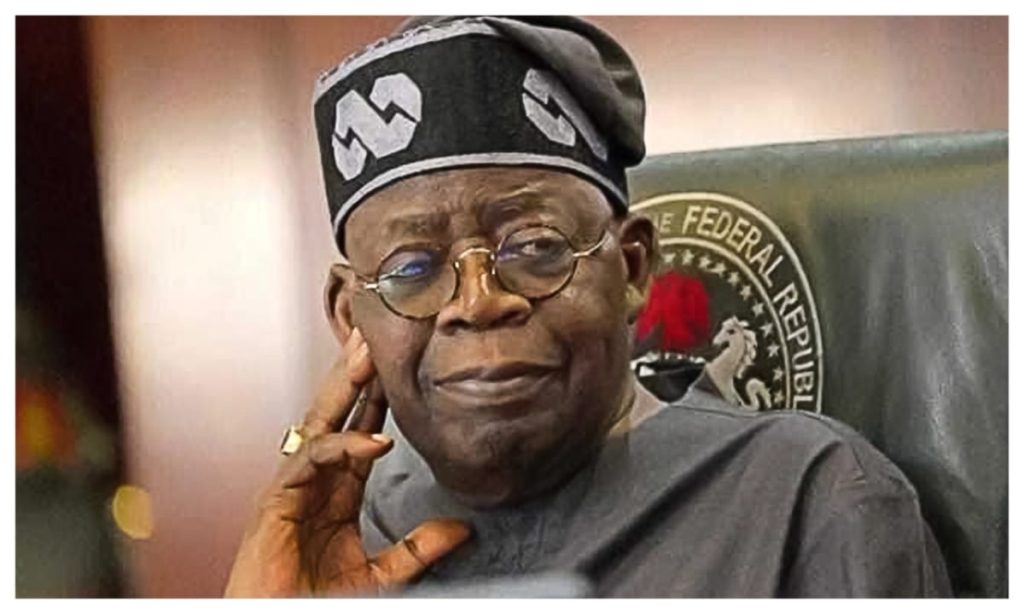
The hearing is expected to place renewed pressure on President Bola Ahmed Tinubu’s administration to demonstrate what concrete measures it has taken to protect vulnerable communities and address the security crisis affecting several parts of Nigeria.
US Lawmakers to Examine Nigeria’s Security Response
According to the congressional hearing announcement, lawmakers will assess the current situation involving attacks attributed to extremist organisations, including Boko Haram and other armed groups operating in Nigeria.
They will also examine the Nigerian government’s efforts to prevent religious violence, protect Christian communities and other vulnerable populations, and ensure that individuals responsible for atrocities are brought to justice.
The lawmakers are particularly concerned about recurring attacks, displacement and the destruction of communities in parts of the Middle Belt.
Congressman Chris Smith, who chairs the Africa Subcommittee, said the hearing would provide an opportunity to assess Nigeria’s progress in addressing religious persecution and insecurity.
The proceedings will also consider possible measures the United States government could adopt to encourage stronger action by Nigerian authorities.
Five Witnesses Expected to Appear Before Congress
The hearing will feature two panels of witnesses drawn from the United States government and organisations involved in religious freedom, humanitarian protection and African security research.
The first panel will include:
1. Frank Garcia – Assistant Secretary of State for African Affairs.
2. Riley Barnes – Assistant Secretary of State for Democracy, Human Rights and Labour.
The second panel will feature:
1. Nina Shea – Senior Fellow and Director of the Centre for Religious Freedom at the Hudson Institute.
2. Ryan Brown – Chief Executive Officer of Open Doors US.
3. Oge Onubogu – Director and Senior Fellow of the Africa Programme at the Centre for Strategic and International Studies (CSIS).
Their presentations are expected to provide lawmakers with perspectives on religious freedom, security challenges, government accountability and the protection of vulnerable communities.
Chris Smith Renews Pressure Over Alleged Christian Persecution
Congressman Chris Smith has been one of the prominent American lawmakers raising concerns about attacks against Christians in Nigeria.
The November 12 session will be his 14th congressional hearing addressing the persecution of Christians in the country.
Smith and other American lawmakers have repeatedly called for stronger action against armed groups accused of targeting Christian communities.
The latest hearing reflects continuing concerns in Washington over whether Nigeria is doing enough to protect religious minorities and prevent further violence.
Trump’s Administration and Nigeria’s Religious Freedom Controversy
The planned congressional hearing comes amid continuing diplomatic discussions between Nigeria and the United States over religious freedom and national security.
In November 2025, US President Donald Trump redesignated Nigeria as a Country of Particular Concern (CPC) over allegations of severe violations of religious freedom.
The designation brought renewed international attention to attacks against Christian communities and the Nigerian government’s responsibility to protect its citizens.
The Nigerian government has consistently rejected the suggestion that the country’s security crisis should be characterised exclusively as religious persecution.
Nigerian authorities maintain that insecurity involves several interconnected challenges, including terrorism, banditry, farmer-herder conflicts, communal violence and criminal activities affecting both Christians and Muslims.
Middle Belt Remains a Major Security Concern
The Middle Belt has experienced repeated attacks, killings, displacement and destruction of property over the years.
States including Benue and Plateau have witnessed recurring violence involving armed groups and communities caught in prolonged security and communal conflicts.
The consequences have been devastating for affected populations, with families losing relatives, homes and sources of livelihood.
Farmers have also faced difficulties accessing their farmlands, while thousands of residents have been forced to abandon their communities because of insecurity.
The situation has raised serious concerns about the effectiveness of existing security arrangements and the government’s ability to protect rural communities.
US Considers Further Measures Against Religious Violence
Beyond examining Nigeria’s security response, American lawmakers are expected to consider additional steps Washington could take to encourage the protection of vulnerable communities.
These could include stronger diplomatic engagement, closer monitoring of religious freedom conditions and further security cooperation.
The hearing could also influence future discussions about American assistance to Nigeria, particularly in relation to counterterrorism operations, human rights and religious freedom.
However, the proceedings are an oversight hearing and do not automatically translate into sanctions or a new policy decision against Nigeria.
What the Hearing Means for Tinubu’s Administration
The congressional session represents another important moment in Nigeria’s diplomatic relationship with the United States.
President Tinubu’s administration faces growing expectations to demonstrate measurable improvements in the country’s security situation, particularly in communities repeatedly affected by violence.
The government will also face continued scrutiny over investigations, arrests and prosecutions relating to attacks against innocent civilians.
For Nigeria, the challenge extends beyond diplomatic explanations. Citizens expect concrete results, including safer communities, effective security operations, justice for victims and the prevention of further attacks.
The hearing is scheduled to take place at 11:00 a.m. Washington time at the Rayburn House Office Building in Washington, DC, with proceedings expected to be streamed online.
Nigerians Await International Assessment
The forthcoming hearing has generated renewed attention to Nigeria’s security challenges and the international community’s expectations regarding the protection of religious freedom.
Although the hearing will focus significantly on attacks against Christians, it will also examine violence against non-radical Muslim communities and other vulnerable populations.
It is important to note that the hearing’s announcement does not establish a legal finding that genocide has occurred in Nigeria. Rather, it provides a congressional platform to examine allegations of religious persecution, extremist violence and the government’s response.
As the November 12 hearing approaches, the central question remains whether President Tinubu’s administration can demonstrate that it is taking sufficient and effective steps to protect Nigerians, end recurring attacks and ensure justice for victims, regardless of their religious beliefs or ethnic backgrounds.