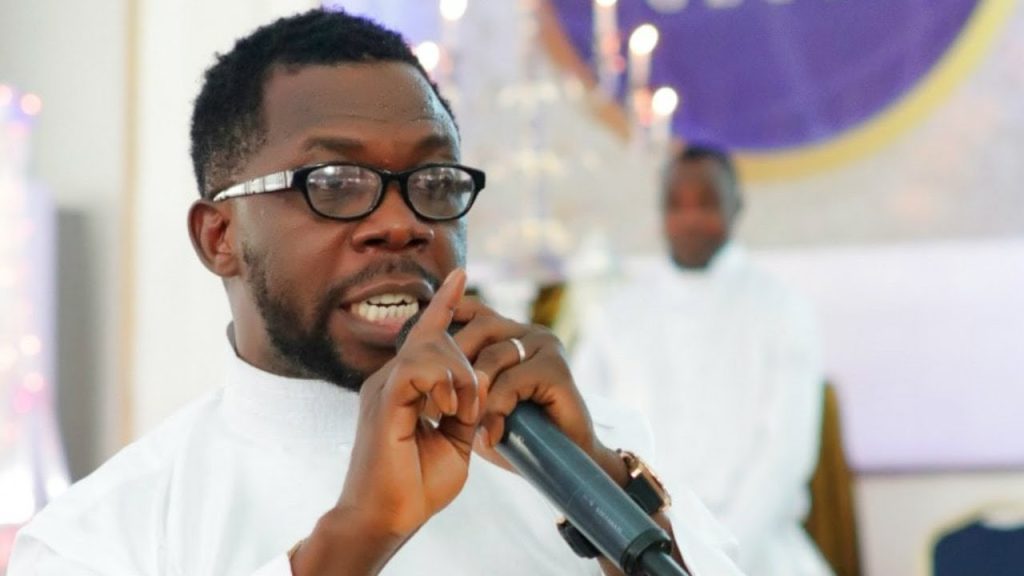
The Founder of Genesis Global Ministry, Lagos State, Prophet Israel Oladele Ogundipe, popularly known as Prophet Genesis, has declared that he will not vote for an Igbo presidential candidate in the 2027 general elections, reaffirming his support for President Bola Ahmed Tinubu.
The controversial cleric made his position known while explaining his political preference ahead of the forthcoming presidential election, stating that his decision was influenced by his Yoruba identity.
Prophet Genesis maintained that he would naturally support a Yoruba presidential candidate whenever one is available on the ballot, insisting that he was unapologetic about his political position despite the possibility of criticism from Nigerians.
Prophet Genesis Declares Support for Tinubu
Explaining his position, the cleric openly declared his support for President Tinubu, arguing that he would rather support a candidate from his ethnic background than vote for an Igbo presidential contender.
He insisted that his decision was not influenced by financial inducements or personal benefits from the President but was based on his ethnic loyalty.
Prophet Genesis maintained that he was entitled to make his political choice and would not be intimidated by criticism or public condemnation.
He also challenged journalists and critics who might disagree with his position to express their opinions, insisting that he would not withdraw his statement.
Cleric Defends His Ethnic Political Preference
The prophet’s declaration has brought the sensitive issue of ethnicity and political participation back into Nigeria’s national conversation.
His position suggests that ethnic identity remains an important consideration for some political supporters as the country approaches another presidential election.
However, Nigeria’s political system is built on constitutional principles that guarantee every eligible citizen the right to vote for any candidate of their choice, regardless of ethnic or religious background.
The country’s presidential elections are also expected to reflect national interests, leadership capacity, competence, accountability and the ability of candidates to unite the diverse population.
Tinubu’s 2027 Presidential Ambition
Prophet Genesis’s declaration comes as President Bola Tinubu prepares for the 2027 presidential election, where he is seeking another term in office under the All Progressives Congress (APC).
The President’s supporters have continued to express confidence in his political leadership and re-election prospects, while opposition parties are positioning themselves to challenge the ruling party.
Former Anambra State Governor Peter Obi and other prominent political figures are also expected to play significant roles in the emerging political contest.
The 2027 election is already generating intense political discussions around regional interests, ethnic identity, economic performance, security and national development.
Ethnicity and the Future of Nigeria’s Democracy
The statement by Prophet Genesis is likely to generate debate among Nigerians, particularly those who believe that political leadership should be determined by competence rather than ethnic considerations.
Nigeria is a multi-ethnic country comprising hundreds of ethnic groups, with citizens from different backgrounds participating in the country’s political and democratic processes.
Political observers have consistently emphasised the importance of national unity and the need for Nigerians to look beyond ethnic and religious affiliations when choosing their leaders.
The controversy also raises questions about the influence of religious leaders and public figures on political opinions, particularly during election periods.
Nigerians Await Reactions
The cleric’s declaration is expected to attract different reactions from supporters of President Tinubu, opposition supporters and Nigerians who believe in national unity.
While some may defend his right to support any candidate of his choice, others may question the implications of making ethnicity the determining factor in a presidential election.
As political activities intensify ahead of 2027, statements from prominent religious and political figures are likely to remain part of the national conversation.
The big question remains: Should ethnicity determine who Nigerians vote for in 2027, or should competence, character, performance and the ability to unite the country take priority?