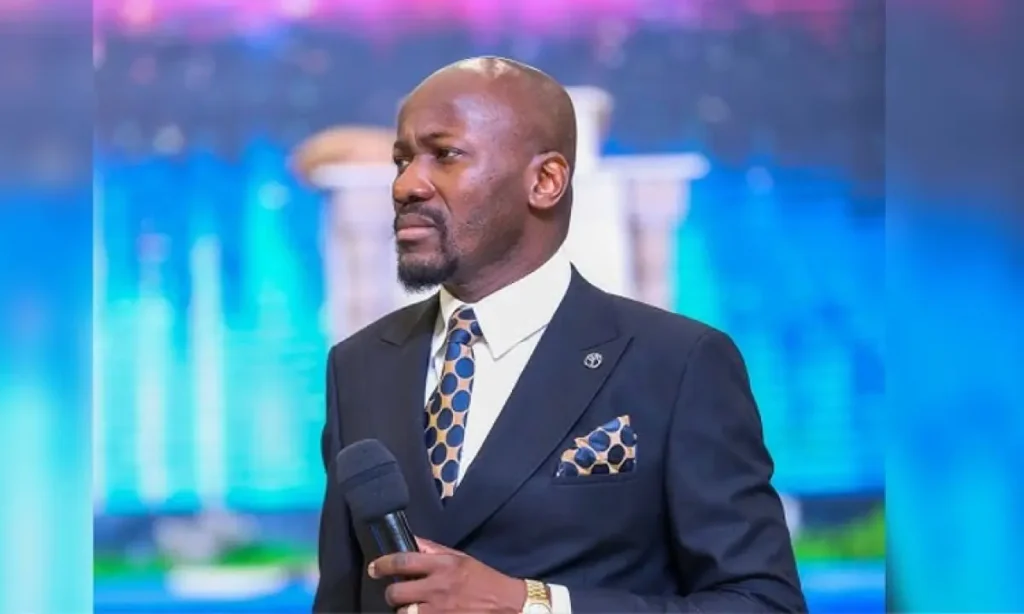
In an unexpected sermon that drew both attention and backlash, Apostle Johnson Suleman, a well‑known Nigerian pastor and founder of LoveWorld Ministries, reportedly used the phrase “oral sex is not a sin” during a live broadcast on his popular YouTube channel on Tuesday night. The statement, which came amidst a broader discussion on Christian sexuality in contemporary society, has sparked a debate across multiple platforms, from the ministry’s official website to social media channels in Nigeria and beyond.
The Sermon Context According to the ministry’s recorded livestream, Suleman opened the session with an appeal to fathers and parents on how to teach their children about the Christian body and the “purpose of intimacy.” He then said: > “Following the command of God, we need to be mindful of our actions in all aspects of life. But it is important to understand that *oral sex* is not a sin, if practiced within a committed marital relationship and with mutual consent.” The verses cited were said to be from 1 Corinthians 6:9‑10, where the apostle talks about moral failings but does not specifically mention oral sex. Suleman spun these words into an advocacy for open, consensual sexual expression within marriage, asserting that “a couple should respect each other’s choices as long as they keep the sanctity of the marital bond.”
Immediate Reactions Suleman’s remarks were immediately shared across all his fan and church channels, amassing over 450,000 views within the first hour. Comments ranged from praise for “openness” to accusations that the apostle was “misusing scripture.” – **Supporters**: Many followers applauded the pastor for addressing “hidden” societal taboos. “Our culture hides much, and this is a step toward healing,” said one parishioner’s comment on the ministry’s Facebook page. – **Critics**: Several religious leaders and scholars countered that Suleman’s claim is inconsistent with traditional biblical interpretations. “There is no biblical basis for absolving actions that are fundamentally disordered,” wrote one theology professor on Twitter, adding that “any such assertion must be backed by scriptural evidence.” The ministry’s official statement, released 48 hours later, read: “The apostle’s remarks were part of an ongoing conversation about responsible marital intimacy. We encourage open dialogue but remain committed to the teachings of scripture.”
Media Coverage Major Nigerian outlets, including *The Guardian Nigeria* and *Daily Trust*, ran stories covering the incident, each providing a balanced view featuring both supportive and critical voices. They highlighted the broader conversation around modern marriage and sexuality, noting how such statements echo a growing trend among some religious leaders to reinterpret traditional doctrines on sexual ethics.
International Resonance While the event was local, the viral nature of the video saw commentary from international Christian communities. A Canadian Pentecostal pastor posted a reflective piece on Instagram, suggesting that the conversation could foster healthier interpersonal relationships if approached with love and humility. In the UK, a radio segment on BBC Radio 4 included a moderated round‑table discussion, prompting listeners to submit questions about how faith, tradition, and modern sexual ethics intertwine.
Theological Perspectives Scholars who engaged with the topic noted that interpretations of biblical sin concerning sexuality differ significantly across denominations. In evangelical circles, a clear stance on any sexual activity outside marriage often persists, whereas others embrace a more nuanced approach. The perspective emphasized by Suleman—consent within marriage—aligns with a more progressive theological framework that prioritizes mutual respect and personal choice within the sanctity of marriage. **Dr. Emily Baker** (Associate Professor of Biblical Studies, King’s College London) commented: “It’s essential to differentiate between doctrinal teaching rooted in scripture and interpretive claims that the preacher may have put forward. While the apostle may have taken a liberal stance, one must also consider how it aligns—or not—with the broader theological consensus in his context.”
Bottom Line Whether or not Apostle Johnson Suleman’s remarks represent a doctrinal shift remains uncertain. The incident undeniably highlights the tension between traditional religious teachings and contemporary discussions about sexuality.