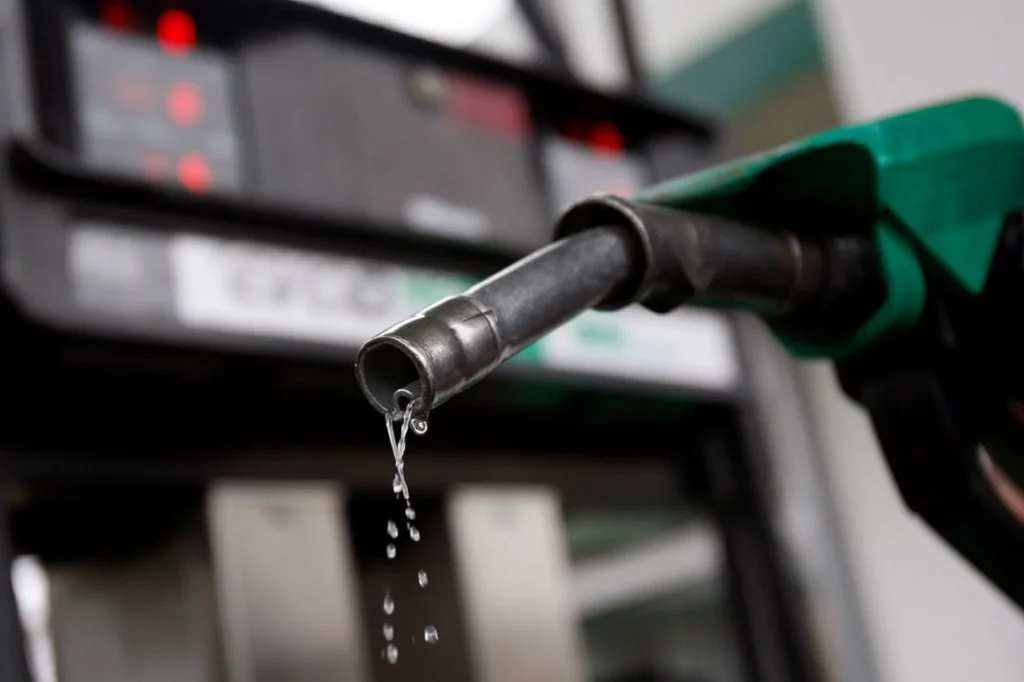
A fresh wave of fuel price reductions across several retail outlets has led many Nigerians to shift their patronage toward stations offering lower pump prices, with outlets operated by the Nigerian National Petroleum Company Limited (NNPCL) becoming major beneficiaries of the trend.
Motorists in major cities such as Lagos, Abuja, Kano, Port Harcourt, and Enugu reported noticeable drops in petrol prices at selected stations in recent days. The reductions—introduced as retailers attempt to attract more customers and stay competitive—have triggered what many commuters now describe as a “customer-driven fuel rush.”
At several NNPCL-operated stations, long queues formed as drivers sought to take advantage of prices that, in many locations, were significantly lower than what they had become accustomed to in previous weeks. Private retail outlets that adjusted their prices downward also recorded increased traffic, though the turnout varied depending on location and supply capacity.
Commuters noted that the price cuts, though modest in some areas, offered welcome relief amid broader economic pressures. Many motorists explained that even small reductions at the pump translate into meaningful savings, especially for daily commercial operators such as taxi drivers, tricycle riders, and logistics service providers.
Some station managers confirmed that the drop in prices was part of a broader market realignment, with retailers adjusting their rates to remain competitive in regions where rival stations had already lowered their prices. They also noted that improved supply conditions in some depots made it easier for outlets to sell at reduced rates without compromising profitability.
Independent marketers, meanwhile, acknowledged the competitive pressure created by NNPCL’s pricing decisions. A few marketers in different states said they were compelled to review their prices in order to avoid losing customers to stations offering lower rates. Others stated that they were monitoring supply costs from depots before implementing similar reductions.
Economic analysts argue that the current shift in consumer behavior highlights the sensitivity of Nigerians to even slight adjustments in fuel pricing, especially in a deregulated market. They believe the price cuts could influence operational costs in transportation, small-scale businesses, and local supply chains if sustained.
Meanwhile, some consumers expressed hopes that the downward trend would continue or at least stabilize, allowing them to better manage rising costs in other aspects of daily life. Others remained cautious, noting that price fluctuations at filling stations have been unpredictable in recent months.
For now, the competitive pricing strategy appears to have reshaped daily fuel-buying habits, with NNPCL stations and other low-price outlets enjoying increased patronage as Nigerians seek the most affordable options available.