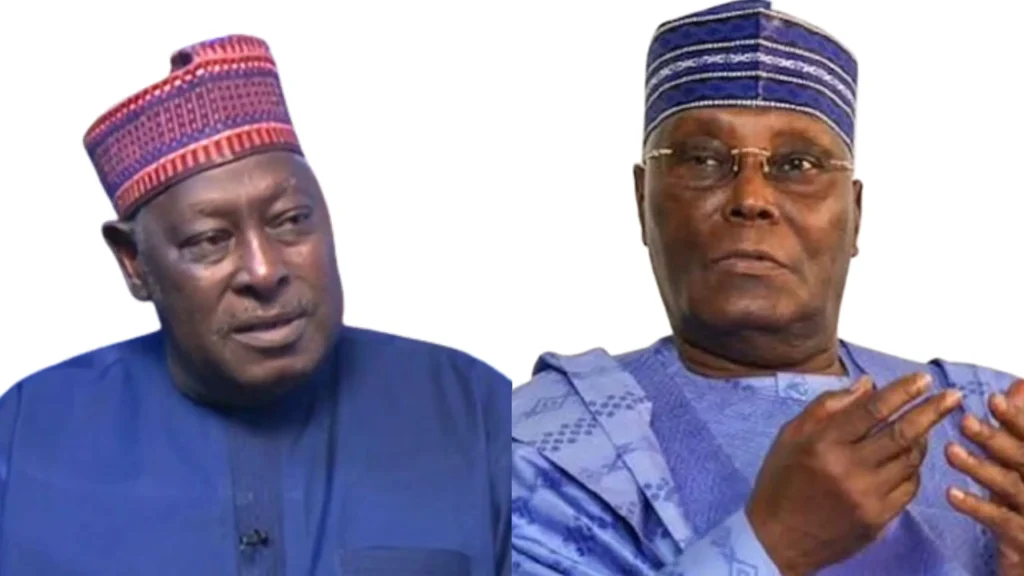
A former Secretary to the Government of the Federation has weighed in on recent discussions surrounding the emergence of a key political figure as the preferred candidate of a major opposition platform, insisting that the outcome was the result of dedication, strategic engagement, and sustained political work.
Speaking during a political gathering, the former government official argued that the candidate’s emergence did not happen by chance but was the product of years of active involvement in party-building, consultations, and grassroots mobilization. According to him, political success is often determined by the amount of effort invested in cultivating relationships, strengthening structures, and maintaining visibility within a political organization.
He maintained that while several influential politicians were interested in securing the party’s support, the eventual choice reflected the confidence that party stakeholders had in the candidate’s commitment and organizational capacity. The former SGF stressed that internal political processes should be respected and that party members have the right to support individuals they believe are best positioned to advance the platform’s objectives.
The remarks come amid growing debate over leadership, alliances, and future electoral strategies within opposition circles. Political observers have noted increasing discussions among stakeholders regarding the direction of the party and the qualities required of those seeking leadership positions ahead of future political contests.
According to the former SGF, effective leadership requires more than popularity or public recognition. He emphasized the importance of consistency, loyalty to party ideals, and the willingness to invest time and resources in strengthening political institutions. He added that those who contribute significantly to the growth of a political movement often gain greater trust and support from members.
Political analysts believe the comments may further stimulate conversations about merit, experience, and political organization as parties continue preparations for future elections. Many observers argue that internal democracy and transparent selection processes remain essential for maintaining unity and credibility within political organizations.
As discussions continue, party stakeholders are expected to focus on building consensus, strengthening their structures, and positioning themselves for future electoral contests. The debate has also highlighted the competitive nature of political leadership and the importance of sustained engagement in earning support within party ranks.