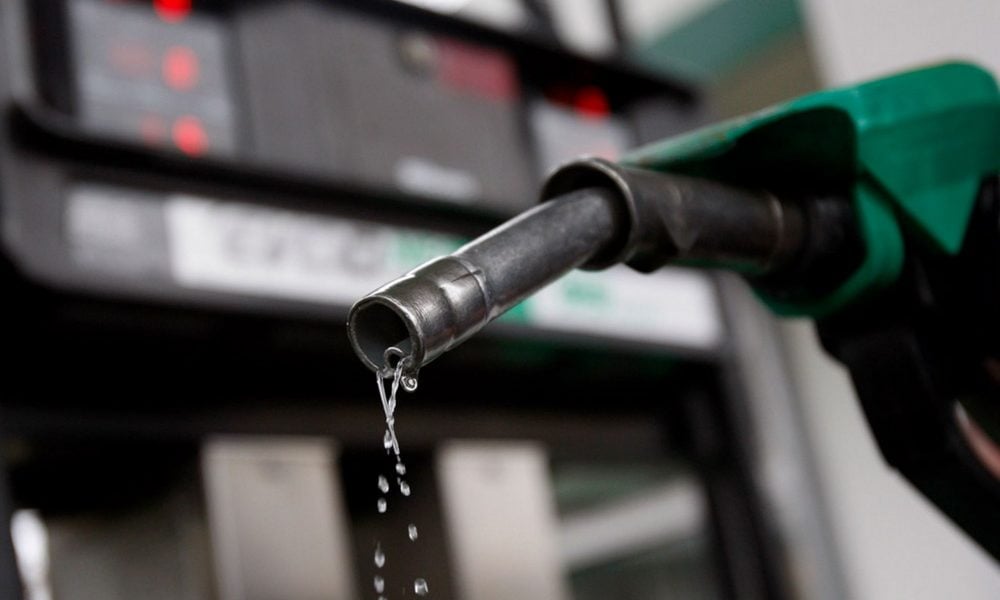
The Nigerian National Petroleum Company Limited (NNPCL) has reduced the retail price of Premium Motor Spirit (PMS), commonly known as petrol, at some of its filling stations in Abuja and surrounding areas.
The latest adjustment brings the price at affected NNPCL outlets to ₦1,405 per litre, down from the previous ₦1,430 per litre, representing a reduction of ₦25 per litre.
Price reduction across selected outlets
The new ₦1,405 price has been observed at NNPCL stations in locations including Gwarimpa and Kubwa, as well as some other parts of the Federal Capital Territory.
However, the reduction has not been applied uniformly across all NNPCL outlets in Abuja. Some stations, particularly outlets along the Kubwa Expressway, Air Junction and Wuse Zones 4 and 5, were reported to be selling petrol at about ₦1,395 per litre.
This means that pump prices currently differ from one NNPCL station to another depending on location and supply conditions.
Reduction follows lower refinery price
The NNPCL adjustment comes shortly after the Dangote Petroleum Refinery reduced its petrol gantry price by ₦25 per litre, bringing the refinery’s price to approximately ₦1,325 per litre.
The reduction at the refinery level has contributed to expectations of lower prices across parts of the downstream petroleum market, although retail prices have not moved uniformly across all filling stations.
Other filling stations record different prices
Petrol prices remain variable across Abuja, with other major and independent marketers selling PMS at different rates.
Reports indicate that outlets operated by marketers such as MRS, Ranoil, A.A. Rano and Empire Energy have been dispensing petrol at prices generally ranging from approximately ₦1,395 to ₦1,430 per litre, depending on the location and station.
The variation reflects the deregulated nature of Nigeria’s downstream petroleum market, where retail prices can differ because of factors such as product acquisition costs, transportation, logistics and the location of individual filling stations.
Impact on motorists and consumers
The reduction could provide some relief for motorists in Abuja, particularly those who purchase significant quantities of petrol for private vehicles, commercial transportation and business operations.
A ₦25 reduction means that a motorist purchasing 40 litres would spend ₦1,000 less compared with the previous ₦1,430-per-litre price.
However, the impact on consumers will depend on how widely the reduction is adopted by other marketers and whether subsequent changes in wholesale and international oil-market conditions result in further price adjustments.
Petrol prices remain volatile
The latest reduction comes after a period of significant volatility in Nigeria’s petrol market. Earlier in September, petrol prices in Abuja and several other major cities had moved above ₦1,400 per litre amid higher crude-oil prices and increased costs across the petroleum supply chain.
The current movement therefore represents a reversal of some of the recent increases recorded at retail outlets.
For Abuja residents, attention will now focus on whether the lower price at selected NNPCL stations becomes more widespread and whether independent marketers subsequently adjust their own pump prices.
What the latest development means
The reduction to ₦1,405 per litre at affected NNPCL outlets demonstrates that petrol prices remain subject to market and supply conditions rather than a single uniform national retail price.
While some motorists may pay ₦1,405 or even ₦1,395 at particular outlets, consumers in other locations may encounter higher prices.
The situation is expected to remain closely watched as refiners, marketers and regulators respond to changes in crude-oil prices, refining costs, transportation expenses and domestic petroleum supply.