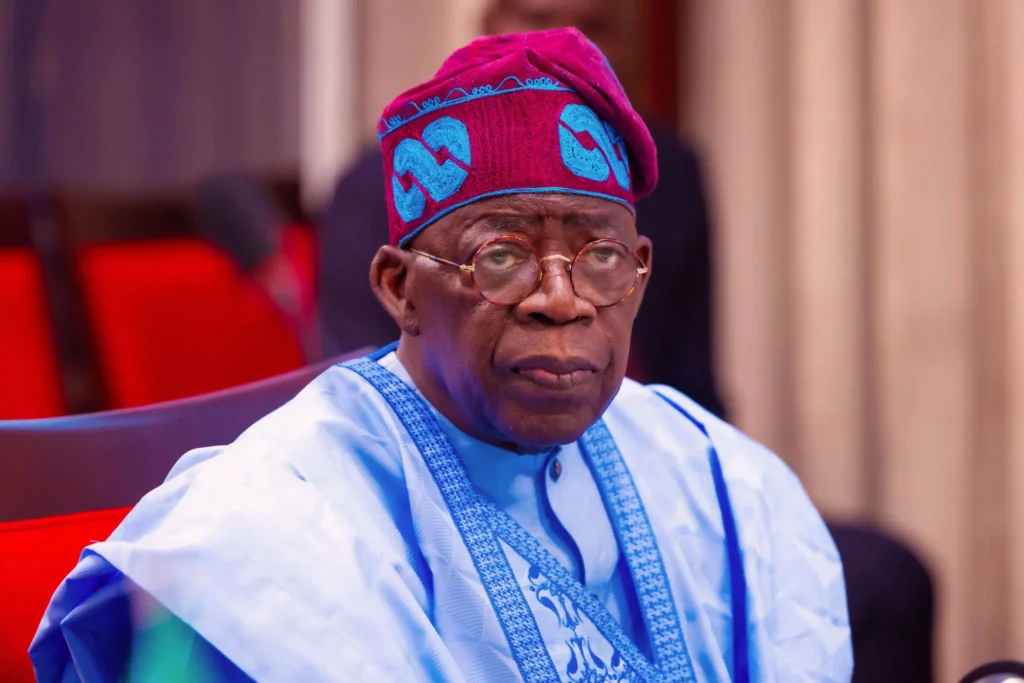
As President Bola Tinubu marks three years in office, economists and policy analysts have offered varying assessments of his administration’s performance, highlighting both notable reforms and persistent economic challenges facing Nigerians.
Many experts acknowledge that the government has embarked on bold economic reforms aimed at restructuring the nation’s economy. Among the most significant measures introduced during the period are the removal of fuel subsidies, exchange rate reforms, efforts to increase government revenue, and initiatives designed to attract local and foreign investment.
According to economists, these policies were intended to address long-standing structural issues that had placed pressure on public finances and hindered economic growth. Some analysts argue that the reforms have improved transparency in key sectors and reduced certain fiscal burdens on the government.
However, they also note that the immediate impact of the reforms has been difficult for many citizens. Rising inflation, increased transportation costs, higher food prices, and the depreciation of the naira have contributed to a decline in purchasing power for households across the country.
Several economic experts have stressed that while reforms are often necessary for long-term stability, the government must place greater emphasis on social protection measures to cushion the effects on vulnerable populations. They called for increased support for small businesses, farmers, and low-income earners to ensure that economic growth translates into improved living standards.
Some analysts pointed to improvements in government revenue generation and ongoing infrastructure projects as positive indicators. They argued that sustained implementation of reforms could strengthen investor confidence and create a more competitive economic environment over time.
Others remained cautious, emphasizing that economic success should be measured not only by macroeconomic indicators but also by the daily realities experienced by ordinary Nigerians. They urged the administration to prioritize job creation, food security, and measures that can reduce the cost of living.
As the administration enters its fourth year, economists generally agree that the coming months will be critical in determining whether the reforms produce the desired long-term benefits. They maintain that consistent policy implementation, fiscal discipline, and targeted support for citizens will play a key role in shaping the country’s economic outlook.