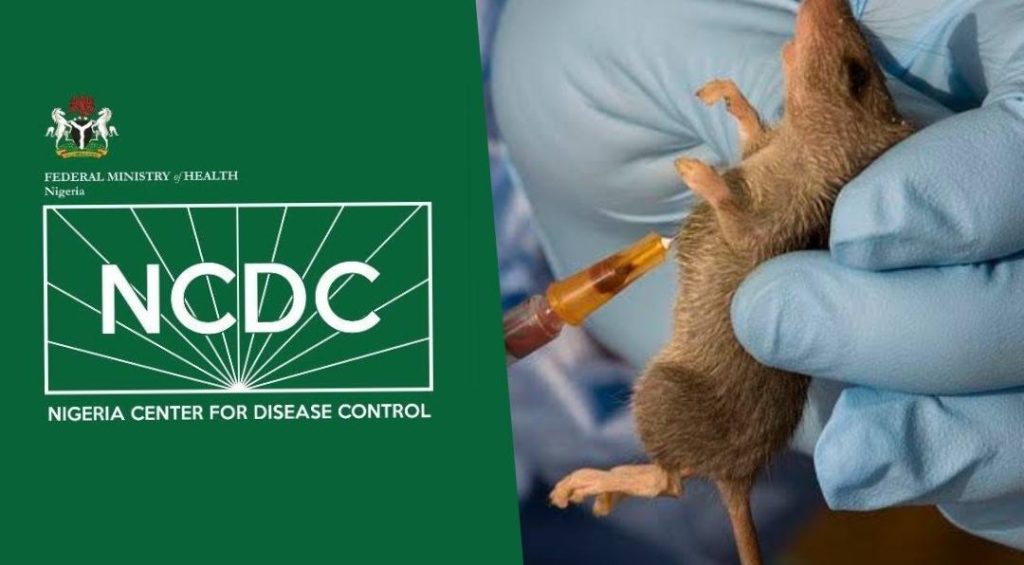
The Nigeria Centre for Disease Control and Prevention (NCDC) has raised concerns over the level of preparedness across states to effectively respond to potential outbreaks of Ebola, cholera, Lassa fever, and other infectious diseases, stressing the need for stronger public health systems and coordinated emergency response measures.
The agency said recent assessments revealed varying levels of readiness among states, with gaps identified in disease surveillance, laboratory capacity, emergency response coordination, infection prevention, and healthcare workforce preparedness. It noted that strengthening these areas is essential to ensuring rapid detection, containment, and management of infectious disease outbreaks.
According to the NCDC, state governments are encouraged to intensify disease surveillance, improve emergency operations, equip health facilities with necessary medical supplies, strengthen laboratory networks, and ensure healthcare workers receive regular training on outbreak response. The agency also emphasized the importance of maintaining adequate stockpiles of personal protective equipment and other essential resources.
The public health agency further urged states to enhance public awareness campaigns on disease prevention, promote proper hygiene and sanitation, improve environmental health practices, and encourage residents to promptly report suspected cases to health authorities. It noted that early detection and timely intervention remain critical to preventing the spread of infectious diseases.
The NCDC reaffirmed that it is working closely with state governments, development partners, and relevant stakeholders to strengthen Nigeria’s health security architecture. It added that continuous monitoring, preparedness exercises, and coordinated response efforts are vital to protecting the population from emerging and re-emerging infectious diseases.
While noting that Nigeria continues to maintain surveillance for diseases of public health importance, the agency urged all states to treat preparedness as a priority and remain vigilant to ensure any suspected outbreak is detected and contained without delay.