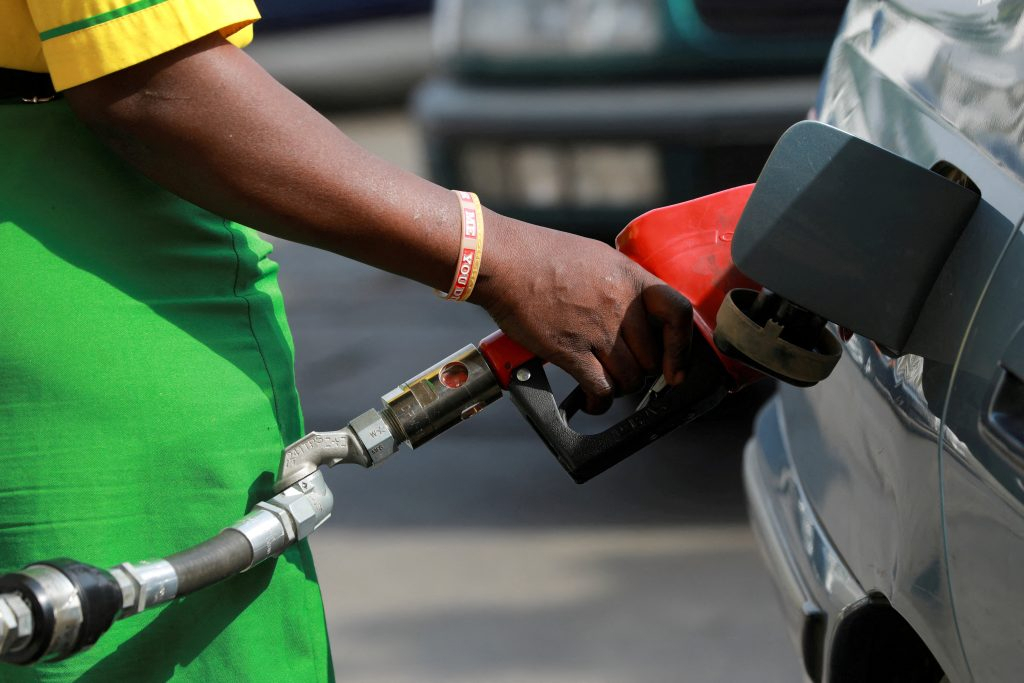
The Nigerian National Petroleum Company Limited has announced another reduction in the pump price of Premium Motor Spirit (PMS), commonly known as petrol, marking the second price adjustment within a period of less than two weeks.
The latest reduction is expected to provide some relief to motorists, transport operators, businesses, and households that have continued to grapple with the rising cost of transportation and other goods and services linked to fuel prices.
Following the adjustment, filling stations operated by the national oil company began implementing the new pump price, while customers welcomed the development with the hope that it would ease the financial burden associated with purchasing petrol.
Industry observers believe the latest price review reflects ongoing changes in market conditions, including fluctuations in the cost of crude oil, exchange rates, supply dynamics, and competition within Nigeria’s deregulated downstream petroleum sector.
Commercial drivers and private vehicle owners expressed optimism that the reduction would lower transportation costs if sustained over time. However, many also called for stability in fuel pricing to enable businesses and consumers to plan their expenses more effectively.
Economic analysts noted that while the reduction is a positive development, its broader impact on inflation and the prices of goods and services will depend on whether transport fares and distribution costs decline accordingly.
The company reaffirmed its commitment to ensuring a steady supply of petroleum products across the country and maintaining efficient distribution to minimize shortages and disruptions. It also encouraged marketers and retail outlets to comply with the approved pricing structure and continue providing quality service to consumers.
The latest adjustment adds to recent efforts aimed at improving affordability and ensuring that petroleum products remain available nationwide, as stakeholders continue to monitor developments in the country’s energy market.